
Scannable IDs have become an important part of modern identification systems. Many organizations use them because they allow information to be read quickly with a scanner instead of entering details by hand. Whether used for identification, verification, or educational purposes, these cards rely on advanced printing methods and machine-readable technology.
In this guide, you’ll learn what scannable IDs are, how they work, their main features, and the common situations where they are used. We’ll also explain why high-quality materials and accurate printing matter.
What Are Scannable IDs?
A scannable ID is an identification card that includes machine-readable information. Most modern cards contain a barcode, magnetic stripe, QR code, or similar technology that allows compatible scanners to read stored data quickly.
Unlike basic printed cards, scannable IDs are designed with features that improve readability and durability. They often include several layers of security elements that make them look similar to professionally produced identification cards.
How Do Scannable IDs Work?
A scanner reads the machine-readable area on the card and converts the stored information into digital data.
Depending on the card type, the scanner may read:
- PDF417 barcode
- QR code
- Magnetic stripe
- Machine-readable text
- Other encoded information
The scanner processes the data in seconds, making identification faster than manual entry.
Main Features of Scannable IDs
High-Quality Card Material
Quality matters.
Most premium scannable IDs use durable PVC materials that resist bending, scratching, and fading. Better materials also improve printing quality and extend the life of the card.
Machine-Readable Barcode
One of the biggest features is the barcode.
Many identification cards use PDF417 barcodes because they can store more information than traditional barcodes while remaining easy to scan.
Proper barcode alignment helps scanners read information quickly.
Sharp Printing
Premium cards use high-resolution printing that produces:
- Clear text
- Sharp photos
- Accurate colors
- Smooth gradients
Professional printing creates a cleaner appearance and improves readability.
Security Elements
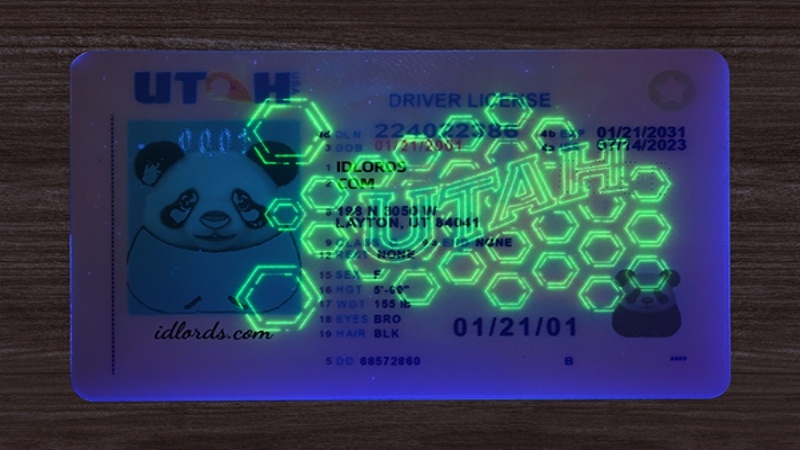
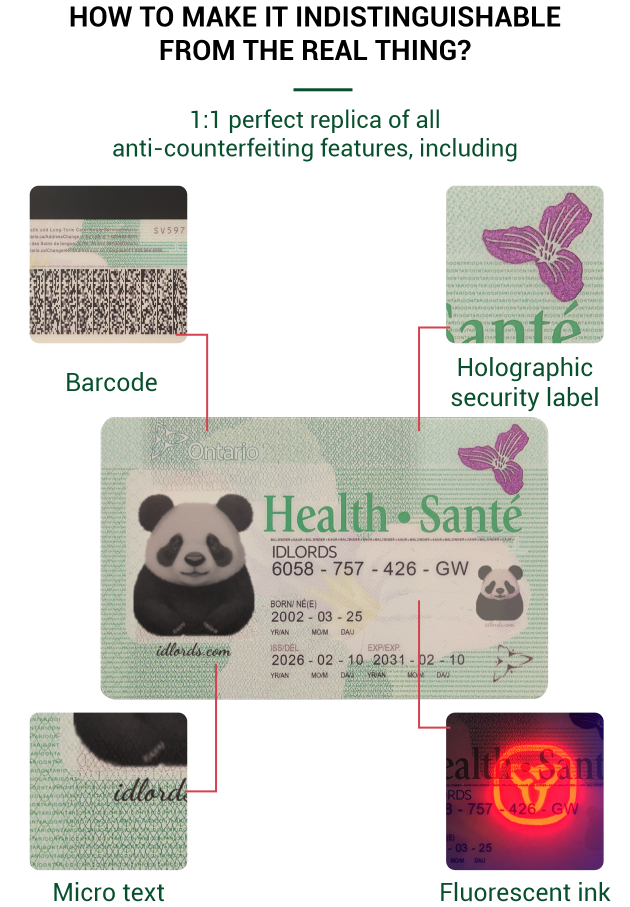
Modern identification cards often include multiple visual security features, such as:
- Holographic overlays
- UV printing
- Microprinting
- Fine line patterns
- Ghost images
- Laser engraving effects
These elements help make the card more detailed and visually consistent with modern identification standards.
Durable Lamination
Protective lamination helps prevent:
- Surface scratches
- Water damage
- Daily wear
- Color fading
A laminated surface also gives the card a professional finish.
Common Uses of Scannable IDs
Scannable IDs serve different purposes depending on the organization and intended use.
Common examples include:
Employee Identification
Businesses often use scannable cards for:
- Office access
- Attendance tracking
- Employee identification
Scanning reduces manual work and speeds up entry.
Student Identification
Schools and colleges frequently issue student cards that include scannable barcodes.
Students may use them for:
- Library services
- Campus access
- Cafeteria payments
- Attendance systems
Membership Cards
Many organizations provide members with scannable cards for faster check-in.
Examples include:
- Gyms
- Clubs
- Loyalty programs
- Community organizations
Visitor Management
Large companies often issue temporary visitor badges that contain machine-readable information.
This allows reception staff to verify visitor details quickly while maintaining organized records.
Event Access
Concerts, conferences, and sporting events often rely on scannable credentials.
Scanning speeds up entry while reducing long waiting lines.
Why Printing Quality Matters
Printing quality directly affects scanner performance.
Poor printing may lead to:
- Difficult barcode scanning
- Blurry text
- Inaccurate colors
- Faster wear
High-resolution printing helps scanners read information more consistently.
Materials Used in Premium Scannable IDs
Most premium cards use PVC plastic because it offers:
- Long-lasting durability
- Better print quality
- Water resistance
- Smooth finish
- Professional appearance
Some advanced cards may also use composite materials for added strength.
Barcode Technology Explained
The barcode is one of the most important parts of a scannable ID.
It stores information in a machine-readable format that compatible scanners can interpret almost instantly.
Common barcode types include:
- PDF417
- QR Code
- Code 128
- Data Matrix
Each format serves different identification and tracking needs.
Benefits of Scannable IDs
Scannable IDs provide several advantages:
- Faster identification
- Reduced manual data entry
- Improved organization
- Better durability
- Professional appearance
- Easy integration with compatible systems
These benefits explain why many organizations continue using machine-readable identification cards.
Choosing High-Quality Scannable IDs
When evaluating a professionally printed ID card, consider:
- Printing quality
- Card thickness
- Barcode accuracy
- Material quality
- Lamination
- Color consistency
- Overall finish
Attention to these details often results in a better-looking and longer-lasting card.
Legal Considerations
Identification documents are subject to laws that vary by country and state.
Always understand and follow the laws where you live. Identification cards should only be used in lawful and appropriate situations. Never use any document to misrepresent your identity, commit fraud, or bypass legal requirements.
Final Thoughts
Scannable IDs combine modern printing techniques with machine-readable technology to improve speed, organization, and convenience. Their durable materials, clear printing, and advanced barcode systems make them useful for many legitimate identification and access-control applications.
Whether used for employee badges, student cards, membership cards, or visitor management, high-quality production helps ensure consistent performance and a professional appearance. Understanding the features behind scannable IDs also makes it easier to recognize the importance of quality materials, accurate printing, and responsible use.
Frequently Asked Questions
What is a scannable ID?
A scannable ID is an identification card that contains machine-readable information, such as a barcode or QR code, which can be read by compatible scanning devices.
What barcode is commonly used on identification cards?
Many identification cards use the PDF417 barcode because it stores a large amount of information while remaining easy to scan.
Why are PVC cards commonly used?
PVC is durable, water-resistant, and provides excellent print quality, making it one of the most popular materials for identification cards.
What makes a premium scannable ID different?
Premium cards typically feature better printing quality, stronger materials, protective lamination, and enhanced visual security elements.
Can all scanners read every barcode?
No. Different scanners support different barcode formats. Compatibility depends on the scanner and the barcode technology used.
How can I support this topic further?
For more information about premium-quality scannable identification cards, visit the Premium Scannable IDs landing page on IDLord to explore additional educational resources and related guides.
