

Modern identification cards contain much more than a name and photo. Many IDs now include machine-readable features that help verify information quickly. One of the most common features is a barcode that compatible devices can scan.
If you have ever wondered how scannable IDs work, this guide explains the basics in simple language. You will learn what makes an ID scannable, how barcode technology works, the security features commonly found on official IDs, and why verification systems are widely used today.
If you want to learn more about premium-quality scannable ID designs and educational resources, visit our Premium Scannable IDs page for additional information.
What Is a Scannable ID?
A scannable ID is an identification card that includes a machine-readable barcode. Instead of typing information manually, a scanner reads the barcode and displays the encoded data almost instantly.
Many official identification cards use this technology because it helps improve speed and reduce typing errors.
Common examples include:
- Driver’s licenses
- State identification cards
- Employee badges
- Student IDs
- Membership cards
- Event passes
The barcode usually appears on the back of the card.
What Information Can a Barcode Contain?
A barcode stores digital information in a compact format.
Depending on the issuing authority, it may contain:
- Full name
- Date of birth
- License number
- Address
- Issue date
- Expiration date
- Card class
- Issuing state
- Gender
- Eye color
- Height
When scanned, the system reads the encoded information within seconds.
How Does a Barcode Scanner Work?

The process is simple.
Step 1: The Scanner Reads the Barcode
A scanner shines light on the barcode or captures it with a camera.
Step 2: The Pattern Is Decoded
The scanner converts the barcode pattern into digital data.
Step 3: Information Appears
The software displays the stored information.
The entire process usually takes less than one second.
Why Are Scannable IDs Popular?
Many organizations use barcode technology because it offers several advantages.
Faster Verification
Staff members can verify information quickly.
Reduced Manual Errors
Typing mistakes become less common.
Better Record Keeping
Many systems automatically log scans.
Improved Efficiency
Large events, businesses, and organizations can process visitors much faster.
Common Barcode Types Found on IDs
Different barcode formats exist.
The most common include:
PDF417
This is one of the most widely used barcode formats on driver’s licenses and state IDs.
It stores a large amount of information while remaining compact.
QR Codes
Some organizations use QR codes instead of traditional barcodes.
QR codes can store website links, identification numbers, or other digital information.
Security Features Often Found on Modern IDs
Modern IDs usually include several physical and digital security features.
These may include:
Holograms
Holographic images change when viewed from different angles.
Microprinting
Tiny text becomes difficult to copy accurately.
UV Printing
Some elements appear only under ultraviolet light.
Ghost Images
A smaller secondary photograph adds another layer of security.
Laser Engraving
Laser technology creates durable markings that resist wear.
These features help improve the overall integrity of official identification documents.
What Happens During ID Verification?
Many businesses verify IDs before providing age-restricted services or confirming identity.
The process often includes:
- Looking at the front of the ID.
- Comparing the photo.
- Checking the expiration date.
- Examining security features.
- Scanning the barcode when appropriate.
The exact process depends on the organization and local regulations.
Industries That Commonly Use Barcode Verification
Barcode scanning is common across many industries.
Examples include:
- Retail stores
- Hotels
- Airports
- Government agencies
- Healthcare facilities
- Universities
- Event organizers
- Corporate offices
Each organization uses scanning technology according to its own operational requirements.
Benefits of Barcode Technology
Barcode technology offers many practical benefits.
Speed
Scanning takes only seconds.
Accuracy
Digital reading reduces manual input errors.
Convenience
Information appears instantly.
Organization
Businesses can manage records more efficiently.
Reliability
Well-maintained systems provide consistent results.
Common Misunderstandings About Scannable IDs
Many people misunderstand how barcode technology works.
Myth 1: The Barcode Stores Every Personal Detail
Not always.
The information stored depends on the issuing authority.
Myth 2: Every Scanner Reads Every Barcode
Different scanners support different barcode formats.
Myth 3: Scanning Automatically Verifies Authenticity
A barcode scan alone does not confirm that an ID is genuine. Organizations often combine barcode scanning with visual inspection and other verification measures.
How to Protect Your Identification Card
Keeping your ID in good condition helps ensure it remains readable.
Helpful tips include:
- Store it in a protective wallet.
- Keep it away from extreme heat.
- Avoid scratching the barcode.
- Do not bend the card.
- Replace damaged cards when necessary.
Proper care helps maintain readability over time.
Choosing High-Quality Scannable ID Products
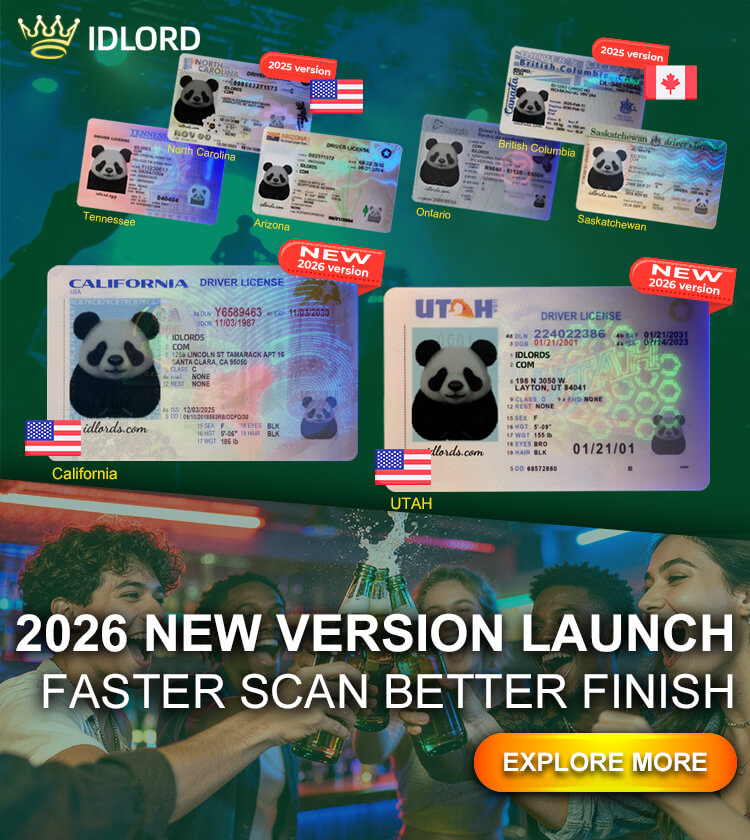
If you are exploring novelty or educational demonstration products, quality matters.
Look for products that emphasize:
- High-resolution printing
- Durable card materials
- Clear barcode presentation
- Professional finishing
- Accurate visual details
For more information about available options, explore our Premium Scannable IDs resource page.
Important Legal Considerations
Identification documents are regulated by law. Official government-issued IDs should only be obtained through the appropriate issuing authority.
If you are researching ID technology, security features, or barcode systems, make sure you understand and follow all applicable local, state, and federal laws. This article is provided for educational and informational purposes only.
Conclusion
Scannable IDs make identity verification faster, more accurate, and more efficient. Barcode technology allows compatible systems to read encoded information quickly, while additional security features help protect official identification documents.
Understanding how these systems work can help you appreciate the technology behind modern identification cards. Whether you are learning about barcode formats, security features, or verification methods, knowing the basics provides a strong foundation.
For additional educational resources and information related to premium scannable ID designs, visit our Premium Scannable IDs page.
Frequently Asked Questions
What is a scannable ID?
A scannable ID is an identification card that includes a machine-readable barcode containing encoded information that compatible scanners can read.
How does a barcode scanner read an ID?
The scanner captures the barcode pattern, decodes the information, and displays the stored data within seconds.
What barcode is commonly used on driver’s licenses?
Many driver’s licenses use the PDF417 barcode because it can store a large amount of information efficiently.
Can a barcode scan alone verify an ID?
No. Many organizations combine barcode scanning with visual inspection and other verification methods to assess an ID.
Why do businesses scan IDs?
Businesses use barcode scanning to improve efficiency, reduce manual errors, speed up identity verification, and maintain accurate records.
