
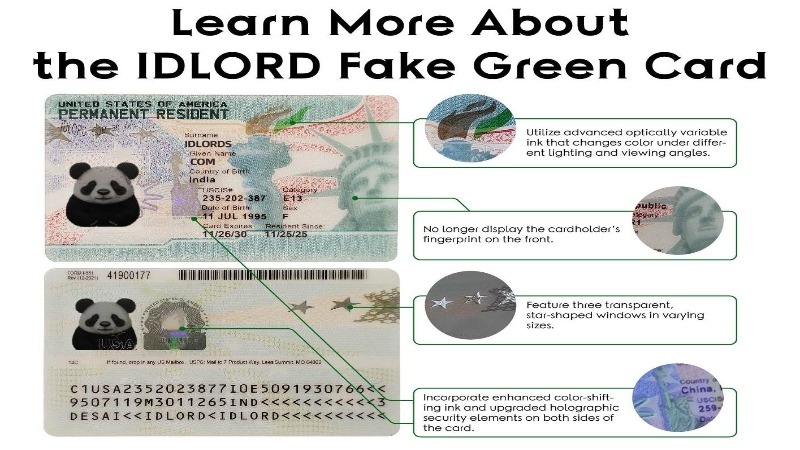
Introduction
Driving licenses are among the most commonly used identity documents in the United States and many other countries. They prove that a person is qualified to drive and often serve as an official form of identification. Unfortunately, counterfeit driving licenses have become more sophisticated over time. As a result, businesses, employers, and government agencies must know how to identify suspicious documents.
This guide explains the key differences between fake and real driving licenses. It also covers modern security features, verification methods, and practical ways to reduce the risk of fraud.
What Is a Real Driving License?
A real driving license is issued by a government authority after a person meets legal requirements. These requirements usually include passing written exams, vision tests, and driving tests.
An authentic license contains several security features designed to prevent counterfeiting. Every element works together to make the document difficult to copy or alter.
What Is a Fake Driving License?

A fake driving license is a counterfeit or altered document made to resemble a genuine license. Some counterfeit documents copy the appearance of official licenses. Others simply imitate the design without matching official security standards.
Counterfeit identification may be used for identity fraud, financial crimes, or other illegal activities. Because of these risks, organizations should always verify identity documents before accepting them.
Key Differences Between Fake and Real Driving Licenses
1. Print Quality
Real licenses use professional printing technology. The text appears sharp, while colors remain consistent.
Fake licenses often have:
- Blurry text
- Uneven colors
- Poor alignment
- Pixelated images
These signs may indicate low-quality reproduction.
2. Security Features
Authentic licenses include multiple security layers.
Common features include:
- Holograms
- UV printing
- Microprinting
- Laser engraving
- Ghost images
- Raised text
- Optical variable ink
Many counterfeit licenses fail to reproduce these features accurately.
3. Material Quality
Government-issued licenses use durable materials that resist wear.
Counterfeit documents may feel:
- Too thin
- Too thick
- Flexible
- Brittle
The surface texture may also differ from an authentic license.
4. Barcode and QR Code Accuracy
Many modern licenses contain barcodes or QR codes.
On genuine licenses, the encoded information matches the printed information.
If scanned information does not match printed details, additional verification may be necessary.
5. Fonts and Layout
Government agencies follow strict formatting rules.
Counterfeit documents may contain:
- Incorrect fonts
- Uneven spacing
- Misaligned logos
- Inconsistent formatting
Small differences often reveal counterfeit documents.
Modern Security Features
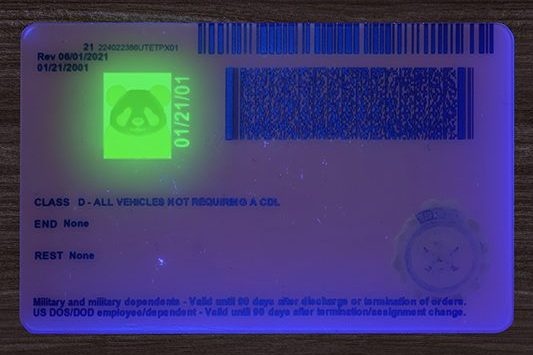
Today’s licenses include advanced protections against fraud.
These may include:
Laser Engraving
Laser engraving creates permanent information inside the card material.
Microprinting
Tiny printed text is difficult to reproduce using standard printers.
Holographic Images
Holograms change appearance when viewed from different angles.
UV Features
Invisible markings become visible only under ultraviolet light.
Ghost Images
Many licenses contain a second portrait for additional verification.
How Organizations Verify Driving Licenses
Many organizations combine visual inspection with electronic verification.
Common verification methods include:
- Visual examination
- Barcode scanning
- UV light inspection
- Identity verification software
- Government database checks where legally available
Using multiple methods improves accuracy.
Common Warning Signs
Although no single indicator proves a document is counterfeit, warning signs may include:
- Misspelled words
- Poor photo quality
- Missing security elements
- Incorrect formatting
- Damaged laminate
- Inconsistent personal information
Whenever multiple warning signs appear together, additional verification is recommended.
Why Counterfeit Licenses Matter
Counterfeit identification can create significant risks.
Potential consequences include:
- Identity theft
- Financial fraud
- Unauthorized access
- Employment fraud
- Age-restricted sales violations
- Regulatory penalties
Organizations that verify identification carefully reduce these risks.
Tips for Businesses
Businesses should develop clear identity verification procedures.
Best practices include:
- Train employees regularly.
- Inspect security features carefully.
- Compare photographs with the presenter.
- Verify expiration dates.
- Use approved scanning equipment.
- Follow applicable laws and privacy requirements.
Consistent procedures help improve document verification.
Technology Continues to Improve
Government agencies continue improving license security.
Modern licenses increasingly include:
- Digital security elements
- Enhanced holograms
- Improved laser engraving
- Advanced printing technologies
- Stronger anti-tampering features
At the same time, verification technology continues evolving to support fraud prevention.
Conclusion
Understanding how fake driving licenses differ from real ones helps organizations strengthen identity verification and reduce fraud risks. While counterfeit documents may imitate the appearance of authentic licenses, genuine licenses include multiple security features that are difficult to reproduce accurately.
The most reliable approach combines employee training, careful visual inspection, appropriate verification tools, and compliance with applicable laws. By following these practices, businesses and organizations can better protect themselves and the public from identity fraud.
FAQs
How can you tell if a driving license is genuine?
Look for official security features such as holograms, microprinting, UV markings, laser engraving, and consistent printing quality. When appropriate, verify the document using approved methods.
Can counterfeit licenses copy holograms?
Some may imitate the appearance of holograms, but genuine security features are typically much more sophisticated and difficult to reproduce accurately.
Why do modern licenses include multiple security features?
Multiple security features make counterfeiting significantly more difficult and help support reliable identity verification.
What should a business do if a license appears suspicious?
Follow your organization’s verification procedures and applicable laws. If necessary, request an alternative form of identification or consult the appropriate authority.
Are barcode scans enough to verify a license?
No. Barcode scans should be used alongside visual inspection and other verification methods because no single method is sufficient in every situation.
