

A fake driving license is a document designed to imitate a genuine driver’s license. Some are created as novelty items, while others are produced for fraudulent purposes. Therefore, understanding their features and legal implications is essential. This guide explains common characteristics, verification methods, legal facts, and the risks associated with fake driving licenses.
What Is a Fake Driving License?
A fake driving license is an unauthorized copy of an official driver’s license. It often resembles a genuine document. However, it is not issued by a government authority. Some novelty licenses clearly state they are not valid for identification or driving. Others attempt to copy official security features.
As a result, authorities and businesses rely on several verification methods to detect counterfeit documents.
Common Features of a Fake Driving License
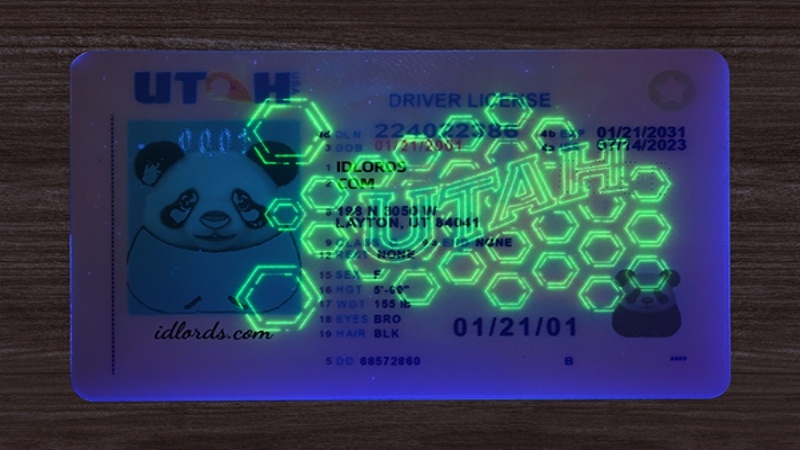
Counterfeit licenses often imitate genuine designs. However, many still contain noticeable flaws.
Common features include:
- Incorrect fonts and spacing
- Low-quality printing
- Blurry photographs
- Missing holograms
- Poor barcode quality
- Incorrect security patterns
- Inconsistent colors
- Uneven lamination
- Misspelled words
- Fake or duplicated license numbers
Although some fake licenses appear realistic, professional verification systems can often identify inconsistencies.
Security Features Found on Genuine Driving Licenses
Official driver’s licenses include advanced security technology. These features help prevent counterfeiting and identity fraud.
Common security elements include:
- Holographic overlays
- UV-reactive ink
- Microprinting
- Laser engraving
- Ghost images
- Machine-readable barcodes
- Embedded security patterns
- Raised text
- Transparent windows on some modern cards
Because these features are difficult to duplicate, counterfeit documents frequently fail detailed inspections.
How Fake Driving Licenses Are Detected
Organizations use several methods to verify identification documents.
Verification may include:
- Visual inspection
- Barcode scanning
- UV light examination
- Security feature comparison
- Identity verification software
- Database validation where legally permitted
Furthermore, trained staff can often recognize irregularities during routine inspections.
Legal Facts About Fake Driving Licenses
Laws regarding fake driving licenses vary by country and jurisdiction. However, using a counterfeit license for deception is generally illegal.
Potential legal consequences may include:
- Criminal charges
- Financial penalties
- License suspension
- Identity fraud investigations
- Employment consequences
- Immigration complications
- Permanent criminal records in serious cases
Therefore, understanding local laws is essential before possessing or presenting any identification document.
Risks Associated With Fake Driving Licenses
Fake identification creates several legal and practical risks.
These risks include:
- Identity theft
- Fraud investigations
- Financial loss
- Employment issues
- Travel restrictions
- Criminal prosecution
- Reputational damage
Moreover, businesses accepting fraudulent identification may also face regulatory consequences.
Fake Driving License vs. Novelty License
Many people confuse novelty licenses with counterfeit identification. However, the two are different.
A novelty license is generally designed for entertainment, collections, or film production. It usually contains disclaimers indicating it is not valid for official use.
In contrast, a fake driving license attempts to imitate a government-issued document. If used for deception, it may violate applicable laws.
Understanding this distinction helps reduce confusion and promotes responsible awareness.
How to Verify a Driving License
When verification is necessary, organizations typically examine several security features.
A basic verification process may include:
- Check overall print quality.
- Inspect holographic elements.
- Verify barcode consistency.
- Compare personal information carefully.
- Examine UV security markings.
- Confirm formatting matches official standards.
- Use authorized verification systems where available.
Following these steps improves document verification accuracy.
Frequently Asked Questions
Is a fake driving license legal?
In many jurisdictions, using a counterfeit driving license to deceive others is illegal. Laws differ by location, so local regulations should always be consulted.
Can fake licenses include barcodes?
Yes. Some counterfeit licenses contain printed barcodes. However, appearance alone does not confirm authenticity.
What makes genuine licenses difficult to copy?
Official licenses contain multiple security features, including holograms, microprinting, UV elements, and laser engraving.
Can businesses detect fake licenses?
Many businesses use trained staff and document verification tools to identify suspicious identification documents.
Why are security features important?
Security features help protect against identity fraud and improve the reliability of official identification documents.
Conclusion
Fake driving licenses continue to raise legal and security concerns worldwide. While counterfeit documents may imitate genuine identification, official licenses include sophisticated security features that support verification. Understanding common characteristics, legal facts, and verification methods helps individuals and organizations recognize suspicious documents while promoting compliance with applicable laws.
