
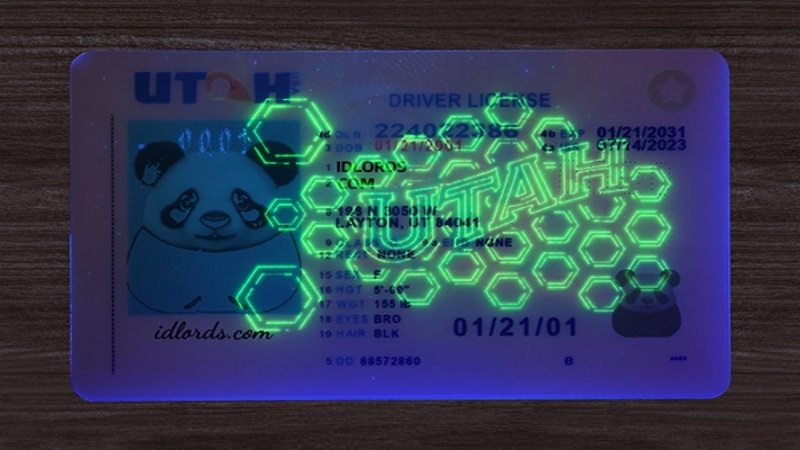
Driving licenses serve as official proof that a person is legally qualified to operate a vehicle. Unfortunately, fake driving licenses continue to appear in many countries. They create risks for individuals, businesses, and public safety. Therefore, understanding how they work and why they are dangerous is essential.
What Is a Fake Driving License?
A fake driving license is a document that falsely represents a valid government-issued license. It may resemble a genuine document. However, it does not have legal authority or official recognition.
Some fake licenses are created to deceive others, while others are marketed as novelty items. Regardless of the label, using a fake license for identification or driving can result in serious legal consequences.
Why Fake Driving Licenses Are a Serious Problem
Fake licenses affect more than the person carrying them. They also create challenges for employers, law enforcement agencies, rental companies, and financial institutions.
Common concerns include:
- Identity fraud
- Financial crimes
- Vehicle-related offenses
- Age verification fraud
- Public safety risks
As a result, governments continue to strengthen document security and verification systems.
Common Signs of a Fake Driving License
Although counterfeit documents vary in quality, many share noticeable warning signs.
Look for:
- Poor print quality
- Misspelled text
- Incorrect fonts
- Misaligned information
- Missing security features
- Unusual holograms
- Low-quality photographs
- Incorrect formatting
Even convincing counterfeits often contain subtle inconsistencies.
How Genuine Driving Licenses Are Verified

Modern driving licenses include advanced security technologies. Consequently, organizations use several methods to verify authenticity.
Verification may include:
- Visual inspection
- Barcode or QR code validation
- Database verification
- Ultraviolet security checks
- Microprinting inspection
- Holographic feature examination
These methods help detect altered or counterfeit documents more effectively.
Security Features Found on Real Driving Licenses
Government-issued licenses contain multiple security elements designed to prevent counterfeiting.
Common security features include:
- Holographic overlays
- Microtext
- Laser engraving
- Ghost images
- UV-reactive printing
- Security patterns
- Embedded barcodes
- Tamper-resistant materials
Because these features work together, they make genuine licenses much harder to duplicate.
Legal Consequences of Using a Fake Driving License
Using a fake driving license can lead to severe legal penalties. The exact consequences depend on local laws. However, many jurisdictions impose significant sanctions.
Possible penalties include:
- Criminal charges
- Heavy fines
- License suspension
- Vehicle impoundment
- Probation
- Imprisonment
- Permanent criminal records
Moreover, employers and educational institutions may take disciplinary action when fraudulent identification is discovered.
How Businesses Can Reduce Fraud Risks
Organizations should implement clear verification procedures before accepting identification documents.
Best practices include:
- Train employees regularly.
- Verify identification carefully.
- Use approved document scanners.
- Follow government verification guidelines.
- Report suspicious documents when appropriate.
- Maintain secure identity verification procedures.
These measures reduce fraud while protecting customers and employees.
What to Do If You Encounter a Suspicious License
If you believe a driving license may be counterfeit, avoid making assumptions. Instead, follow established procedures.
You should:
- Request another form of identification.
- Verify the document through authorized channels.
- Follow company policies.
- Contact the appropriate authorities if required.
Professional handling helps prevent misunderstandings and supports lawful verification.
How Governments Continue Improving License Security
Technology continues to improve document security worldwide. Consequently, modern driving licenses now include more advanced protections than previous generations.
Current developments include:
- Digital verification systems
- Enhanced encryption
- Mobile verification tools
- Biometric security features
- Improved printing technologies
- Secure government databases
These innovations help reduce fraud while improving identity protection.
Conclusion
Fake driving licenses present significant legal, financial, and public safety concerns. Understanding their risks, recognizing common warning signs, and following proper verification procedures help individuals and organizations make informed decisions. Most importantly, only a valid, government-issued driving license should be used for driving or identification purposes.
Frequently Asked Questions
Are fake driving licenses legal?
No. Using a fake driving license for identification, driving, or fraud is illegal in many jurisdictions.
How can businesses identify suspicious licenses?
Businesses can inspect security features, verify information through authorized systems, and train employees to recognize common signs of fraud.
Can fake licenses look authentic?
Some counterfeit licenses may resemble genuine documents. However, professional verification methods and security features often reveal inconsistencies.
Why do governments add security features to driving licenses?
Security features help prevent counterfeiting, reduce identity fraud, and improve public safety.
What should I do if someone presents a suspicious license?
Follow your organization’s verification procedures and, when appropriate, report the document to the relevant authorities.
