

Many people confuse fake driving licenses with novelty licenses. However, they are not the same. Understanding the difference helps you make informed decisions and avoid legal problems.
This guide explains each type in simple language. It also covers common misconceptions, legal considerations, and important safety tips.
What Is a Fake Driving License?
A fake driving license is a document that imitates a genuine driver’s license. It is designed to resemble an official government-issued credential.
People may encounter fake licenses in fraud investigations, online scams, or identity theft cases. Because they can be used to deceive others, possessing or using them for fraudulent purposes is illegal in many countries.
Therefore, it is important to recognize that a fake license is different from a legitimate government-issued license.
What Is a Novelty License?
A novelty license is generally created for entertainment, collecting, theatrical productions, costume events, or film and television props.
Unlike an official driver’s license, a novelty item is not intended to prove identity or driving privileges. Many novelty products include markings or disclaimers that indicate they are not valid government identification.
As a result, their intended purpose is very different from fraudulent identification.
Key Differences Between Fake and Novelty Licenses
The main distinction is intent.
A fake driving license attempts to imitate an official document for deceptive purposes. In contrast, a novelty license is intended for display, entertainment, or collecting.
Other important differences include:
- Purpose of use
- Legal status
- Design features
- Intended audience
- Presence of disclaimers
Understanding these differences helps reduce confusion.
Can a Novelty License Be Used as Identification?
No.
A novelty license does not replace a government-issued driver’s license or state identification card. It cannot legally verify your identity, age, or driving privileges.
Organizations typically require authentic identification issued by the appropriate government authority.
Legal Considerations
Laws vary by country and state. However, using any document to misrepresent your identity can lead to serious legal consequences.
Possible outcomes may include:
- Criminal charges
- Financial penalties
- Identity fraud investigations
- Loss of driving privileges
- Additional legal consequences
Always check local laws before purchasing or possessing any identification-related item.
How Genuine Driver’s Licenses Are Protected
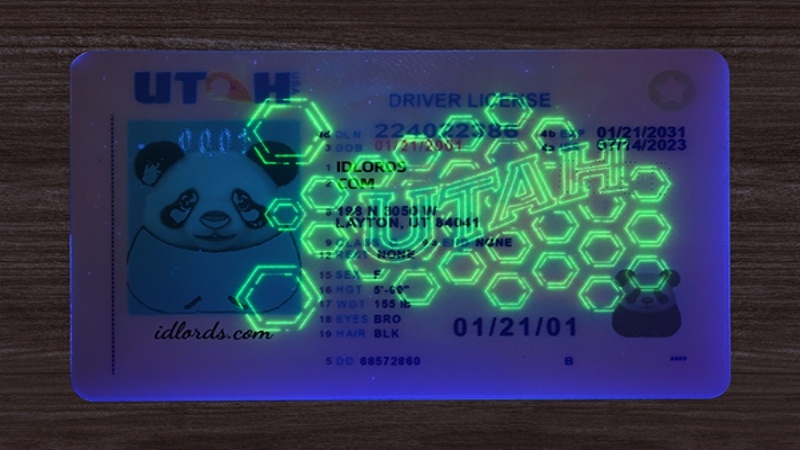
Modern driver’s licenses include multiple security features that help reduce counterfeiting.
Common examples include:
- Holographic images
- Microprinting
- UV security elements
- Laser engraving
- Machine-readable barcodes
- Secure laminates
These features help authorities and organizations verify authenticity.
Common Misconceptions
Many myths surround novelty licenses and fake identification.
One common misunderstanding is that every realistic-looking novelty card is legal for every purpose. That is incorrect.
Another misconception is that a novelty license grants driving privileges. It does not.
Finally, some people believe novelty products can replace official identification. They cannot.
Why Understanding the Difference Matters
Knowing the distinction protects you from misinformation and potential legal issues.
It also helps consumers recognize the importance of authentic government-issued identification. Furthermore, it encourages responsible decision-making when purchasing collectible or entertainment products.
Education is the best way to avoid costly mistakes.
How to Obtain a Legitimate Driver’s License
If you need a valid driver’s license, follow your state’s official licensing process.
Typically, you will need to:
- Meet age requirements.
- Complete any required training.
- Pass written examinations.
- Pass a driving test.
- Submit the necessary identification documents.
- Pay the required government fees.
Following the official process ensures your license is valid and legally recognized.
Conclusion
Fake driving licenses and novelty licenses serve very different purposes. A fake license attempts to imitate an official document and may be associated with fraud. In contrast, a novelty license is generally intended for entertainment, collecting, or theatrical use and is not valid identification.
Understanding these differences helps you make informed decisions and avoid legal risks. Whenever identification is required, always rely on authentic documents issued by the appropriate government authority.
