
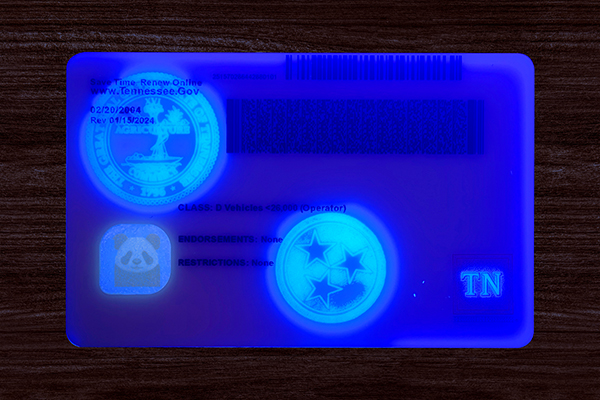
How Do ID Card Barcodes Work? Simple Guide. Have you ever looked at an ID card and noticed a group of black lines, squares, or patterns? That small design may be a barcode. Barcodes help computers read information quickly and accurately.
ID card barcodes can appear on many types of cards. They may be used for memberships, employee identification, event access, school programs, loyalty programs, and novelty ID cards. The exact type of barcode and the information inside it can vary.
But how does a barcode actually work?
The basic idea is simple. A barcode turns information into a pattern that a scanner or camera can recognize. The scanner reads the pattern and converts it back into digital information.
In this guide, we will explain how ID card barcodes work, the main barcode types, what they can contain, and why they are useful.
What Is an ID Card Barcode?
An ID card barcode is a machine-readable pattern printed on a card. It represents information in a format that a barcode reader, phone camera, or computer system can understand.
Traditional barcodes usually use lines with different widths and spaces. Newer 2D barcodes use squares, dots, or other patterns.
A barcode does not automatically make an ID card official or valid. Instead, it is simply a way to represent and access information.
For example, a membership card might have a barcode connected to a customer number. When a business scans the card, its computer system can use that number to find the related account.
How Does a Barcode Store Information?
A barcode changes information into a special visual pattern.
Think of it like writing a message in a secret computer-friendly alphabet. Instead of using normal letters and numbers, the system uses lines, spaces, or small shapes.
For example, a barcode could represent:
- A membership number
- An employee number
- A student number
- An event ticket number
- A product number
- A database reference
- A unique card identifier
The barcode itself may not contain a person’s complete information. In many systems, it simply contains an identification number. The scanner sends that number to a computer system, which can then find the related record.
How Does an ID Card Barcode Scanner Work?
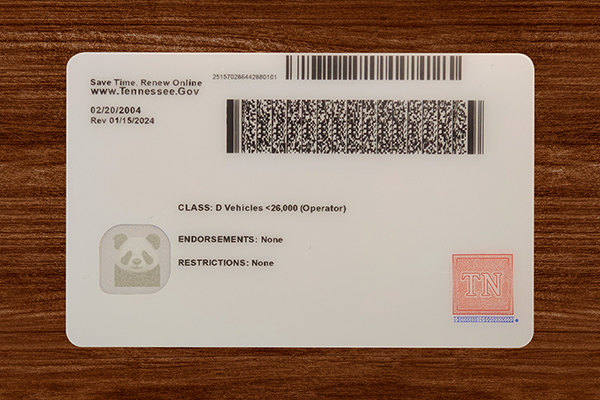
Scanning a barcode usually takes only a second.
Here is the basic process:
Step 1: The Scanner Sees the Barcode
A barcode scanner uses light, a camera, or another imaging method to capture the barcode.
A smartphone can also scan many 2D barcodes by using its camera.
Step 2: The Scanner Reads the Pattern
The scanner looks at the lines, spaces, squares, or other parts of the barcode.
The pattern represents digital information.
Step 3: Software Decodes the Barcode
The scanning software analyzes the pattern and converts it into letters, numbers, or other data.
Step 4: The System Uses the Information
The decoded information can then connect with another computer system.
For example, a scanner might read a membership number. The system can use that number to locate the member’s account.
This makes the process much faster than typing a long number by hand.
What Are the Main Types of ID Card Barcodes?
Different barcode formats work in different ways. Some are one-dimensional, while others are two-dimensional.
1D Barcodes
One-dimensional, or 1D, barcodes use lines and spaces arranged in one direction.
They can store numbers and, depending on the format, letters or other characters.
A 1D barcode is useful when a system only needs to represent a relatively small amount of information.
2D Barcodes
Two-dimensional, or 2D, barcodes use a larger pattern of shapes.
QR codes are a familiar example. They can store more information than many traditional 1D barcodes.
A 2D barcode can contain information such as text, an identification value, or other data supported by the barcode format.
Because 2D barcodes can hold more information, they are common in modern digital systems.
What Information Can an ID Card Barcode Contain?
The information depends on how the card and scanning system were designed.
A barcode may contain a simple identifier rather than sensitive personal information.
For example, a card could use a unique number such as:
ID-482731
When the barcode is scanned, software can use that value to locate information in a database.
Other systems may place additional non-sensitive information directly inside the barcode.
The important point is that the barcode does not decide what information is available. The connected system controls what happens after the barcode gets scanned.
Does a Barcode Make an ID Card Official?
No.
This is an important point to understand.
A barcode is a technology feature. It does not prove that a card was issued by a government agency, school, company, or other organization.
An official identification document may include many security and verification features. A barcode by itself does not provide official status.
For creative projects, costumes, displays, events, and other appropriate uses, a barcode can simply add a realistic-looking technology element to a novelty card. Such cards should not be presented as genuine government-issued identification or used to misrepresent someone’s identity.
Why Are Barcodes Useful on ID Cards?
Barcodes make information easier to process.
Instead of manually typing a number, a person can scan the card. This can reduce typing mistakes and save time.
Some common legitimate uses include:
- Employee access systems
- School identification systems
- Library cards
- Membership cards
- Event check-in
- Loyalty programs
- Visitor management
- Inventory and asset tracking
- Creative and novelty projects
The exact use depends on the organization and its software.
Barcode vs. QR Code: What Is the Difference?
People often use the words barcode and QR code as if they mean the same thing. They are related, but they are not identical.
A traditional barcode often uses lines and spaces. A QR code uses a square pattern made from smaller blocks.
One major difference is the amount and type of information each format can represent.
A traditional barcode works well for simple identification numbers. A QR code can hold more information and can often be scanned with a regular smartphone camera.
Both technologies convert information into a machine-readable format.
Are ID Card Barcodes Secure?
A barcode is not automatically secure just because it looks complex.
Security depends on the entire system behind the barcode.
For example, an organization may use a barcode only as an identifier and keep the actual account information in a protected database. Other systems may use additional security methods to verify a person or transaction.
For sensitive identification, organizations should use appropriate security controls instead of relying on a printed barcode alone.
Why Do Novelty ID Cards Sometimes Include Barcodes?
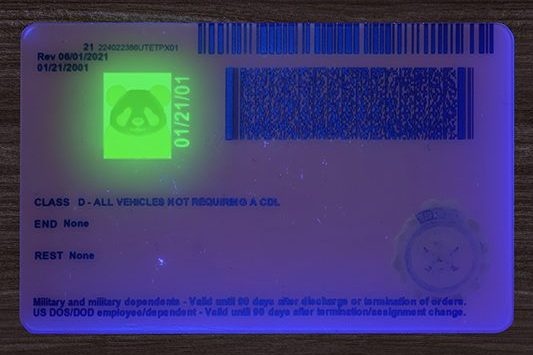
Novelty ID cards are often designed for creative and entertainment purposes.
A barcode can make a card design look more detailed and modern. It can also support harmless activities, such as organizing props or assigning unique numbers to cards used in a game or event.
When creating or using a novelty ID card, it is important to keep its purpose clear. A novelty card should not be used as a substitute for a real driver’s license, government ID, or other official identification document.
If you are interested in creative card designs, explore different novelty ID card styles and features that can fit your project.
What Happens When You Scan a Novelty Barcode?
A barcode on a novelty card does not automatically connect to a government database or official identification system.
If a barcode was created for a private project, it can simply represent information chosen for that project.
For example, a game organizer could assign each participant a unique number. The number could then appear as a barcode on a custom event card.
When scanned, the barcode could help the organizer identify the participant in the event’s own system.
This is very different from an official identification system operated by a government agency.
Can a Phone Scan an ID Card Barcode?
Many smartphones can scan 2D barcodes, especially QR codes, through the camera or a compatible app.
The phone captures the barcode image and software interprets the pattern.
However, whether a particular barcode works with a phone depends on the barcode format and the scanning software.
Some specialized 1D barcodes may work better with dedicated barcode scanners.
Common Questions About ID Card Barcodes
Can a barcode store a name?
Yes, some barcode formats can represent text, including a name. However, many real-world systems use a unique ID number instead and keep personal information in a separate database.
Can a barcode be copied?
A printed barcode can often be visually reproduced, which is one reason organizations should not rely on a barcode as their only security feature.
Can a barcode prove someone’s identity?
No. A barcode alone does not prove identity. Proper identity verification requires an appropriate system and, depending on the situation, additional security checks.
Are all ID card barcodes the same?
No. Different organizations can use different barcode formats and systems.
Do novelty ID cards have official status?
No. A novelty ID card is a creative or entertainment product and should not be represented as a genuine government-issued identification document.
Final Thoughts
ID card barcodes are a simple way to turn information into a format that computers and scanners can read. A scanner captures the pattern, software decodes it, and a connected system can use the resulting information.
Traditional 1D barcodes usually work well for simple identifiers, while 2D formats can handle more information. However, a barcode itself does not make an ID card official or prove someone’s identity.
For creative projects, events, costumes, props, and other legitimate applications, barcode designs can add an interesting technical detail to a novelty ID card. The key is to use them responsibly and keep novelty cards clearly separate from genuine official identification.
Understanding how barcodes work makes it easier to choose the right format and understand what happens when a card gets scanned.
