

Can a Barcode Prove an ID Is Authentic? Many modern identification cards contain a barcode. You may see a barcode on a driver’s license, employee badge, membership card, or other identification document. Because a barcode can store information, some people assume that scanning it automatically proves that the ID is real.
But is that true?
A barcode can store or display information connected to an ID. However, authenticity depends on much more than the code itself. A proper verification process may involve the card’s physical features, the information printed on it, security elements, government or organizational records, and other checks.
This guide explains what an ID barcode does, what it can tell you, and why you should not treat a successful barcode scan as proof that an ID is genuine.
What Is an ID Barcode?
A barcode is a machine-readable pattern that stores information.
When a scanner or smartphone reads the barcode, software can translate the pattern into data. Depending on the type of ID and the organization that issued it, that data may include information such as:
- A name
- An identification number
- A date of birth
- An expiration date
- A document number
- Other encoded information
Different organizations use different barcode formats and systems. Therefore, simply seeing a barcode does not tell you whether the card itself is authentic.
Think of a barcode like a label on a package. The label can contain useful information, but the label alone does not guarantee that the entire package came from an authorized source.
Does Scanning a Barcode Prove an ID Is Real?
No. A successful scan does not automatically prove authenticity.
A scanner mainly tells you that it can read the barcode and interpret the information stored inside it. That is different from confirming that an authorized organization issued the document.
For example, a barcode might scan correctly and return information. However, the information could still fail to match the details printed on the card. A verification system may also need to compare the information with an authorized database.
This creates an important difference:
Readable does not always mean authentic.
A barcode can be one part of a verification process, but it should not serve as the only test.
What Can an ID Barcode Tell You?
A barcode can provide useful information when an authorized system supports it.
For example, a scanner may read encoded data and display information connected to the document. This can make certain verification tasks faster and reduce the need for someone to enter information manually.
A barcode may help with:
1. Data Retrieval
The code can store information in a format that a compatible scanner can read.
2. Information Comparison
An authorized verifier may compare the scanned information with the information printed on the ID.
3. Faster Processing
Machines can read barcode data much faster than people can type the same information.
4. Record Management
Organizations may use machine-readable codes to connect physical cards with internal records.
However, these functions do not automatically establish authenticity.
Why a Barcode Alone Is Not Enough
There are several reasons why a barcode should not serve as the only authenticity check.
The Barcode Contains Data, Not Trust
A barcode acts as a container for information. It does not automatically establish who created that information or whether the document has official authority.
The verification system behind the barcode matters.
Printed Information May Not Match
A verifier should consider whether the information from the barcode matches the information printed on the card.
If important details do not match, that can indicate a problem.
Not Every Scanner Connects to an Official Database
Some scanners simply decode the barcode and display its contents. They may not contact an official issuing authority.
This means that a scanner showing information does not necessarily mean that an official agency has approved the document.
Security Features Matter
Official identification documents can include multiple security features. Depending on the document, these may include specialized printing, photographs, physical features, security patterns, or other measures.
A barcode represents only one component of a larger document.
How Is an ID Properly Verified?
The exact verification process depends on the type of identification and the organization that issued it.
A reliable process may consider several factors together.
Step 1: Check the Document
Look at the card as a whole. Check whether the information appears consistent and whether the document shows signs of alteration or damage.
Step 2: Compare the Information
Compare the printed information with information available through an authorized verification system, when appropriate.
Step 3: Scan the Barcode
If the document uses a barcode, scan it with a compatible and authorized system.
Step 4: Compare the Results
Check whether the barcode data matches the information shown on the document.
Step 5: Use an Authorized Verification Method
For official identification, follow the verification process recommended by the issuing authority or responsible organization.
This final step matters because authenticity depends on the source and verification system, not simply on whether a barcode can be scanned.
What About QR Codes?
QR codes work in a similar way.
A QR code can store information or direct a scanner to a website or other digital resource. However, scanning a QR code does not automatically prove that an ID is authentic.
For example, a QR code may open a page successfully. That only proves that the code points to something accessible. It does not necessarily prove that the document itself came from an authorized issuer.
Always consider the source behind the verification process.
Can Novelty ID Cards Have Barcodes?
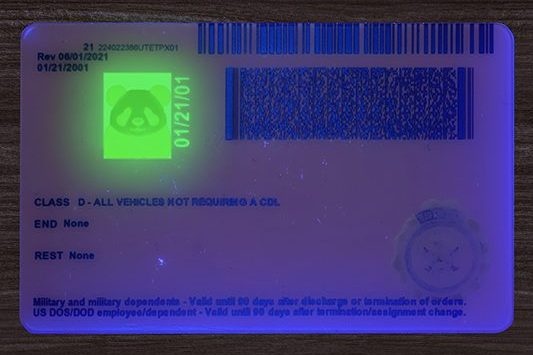
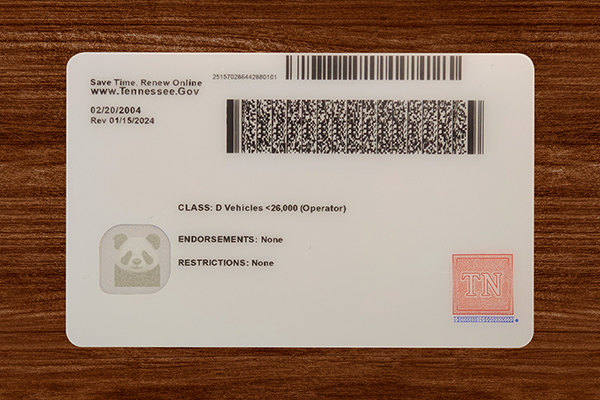
Yes, novelty and prop cards can include decorative or functional design elements that resemble features found on real identification documents.
However, a novelty ID is not the same as an official government-issued ID.
A novelty card may serve legitimate purposes such as:
- Costume events
- Theater productions
- Film and photography projects
- Collecting
- Character displays
- Creative projects
- Parties and themed events
These cards should remain clearly separate from official identification and should not be presented as genuine government documents.
If you are interested in novelty cards for lawful creative purposes, you can learn more through IDLord’s Novelty ID Cards page.
Common Barcode Myths
Let’s clear up a few common misunderstandings.
Myth 1: “If It Scans, It Must Be Real.”
False.
Scanning only shows that a compatible reader can interpret the code.
Myth 2: “A Barcode Is Proof of Government Approval.”
False.
A barcode does not automatically establish government approval or official status.
Myth 3: “The Barcode Is the Most Important Part of an ID.”
Not necessarily.
A legitimate identification document can use many different security and verification features.
Myth 4: “A Phone Scanner Can Always Verify an ID.”
False.
A phone may decode certain barcodes, but decoding information is different from authenticating an official document.
What Should You Remember?
The easiest way to understand the issue is to remember this simple rule:
A barcode can help verify information, but it cannot prove authenticity by itself.
Think about a school library book. A barcode can tell the computer which book you have. But the barcode alone does not prove that the book belongs to the library. The library’s records and other information provide that context.
ID verification works in a similar way.
Final Thoughts
Barcodes make identification documents easier for compatible systems to process. They can store useful information and support faster data checking. However, a successful barcode scan should never be treated as automatic proof that an ID is authentic.
Authenticity requires context. A proper verification process may compare the document’s information, physical characteristics, security features, and records from an authorized source.
For novelty ID cards, the distinction is even more important. Novelty cards can work well for costumes, creative projects, entertainment, and other lawful uses, but they should not be represented as official identification.
So, if you ever wonder, “Can a barcode prove that an ID is authentic?“, the answer is simple:
FAQs: About Can a Barcode Prove an ID Is Authentic?
Can any barcode prove that an ID is authentic?
No. A barcode can contain information, but authenticity requires a broader verification process.
What happens when an ID barcode is scanned?
A compatible scanner reads the encoded information and may display data stored in the barcode. What happens next depends on the system being used.
Does a successful barcode scan mean an ID is official?
No. A barcode can scan successfully without establishing that the document came from an authorized issuer.
Are barcodes used on official IDs?
Many official identification systems use machine-readable information, including barcodes or other technologies. The exact format varies by issuing authority and document type.
Can novelty IDs contain barcodes?
Novelty cards can include barcode-style or other design elements for legitimate creative purposes. They should not be presented as official identification.
What is the best way to verify an official ID?
Use the verification method recommended by the relevant issuing authority or organization. Do not rely on a barcode scan alone.
