
What Is Microprinting on IDs? Modern identification cards include many security features that help prevent fraud. One of the most important features is microprinting. Although it looks like a simple line to the human eye, it actually contains tiny printed words or numbers that become clear only when viewed with magnification.
Microprinting helps organizations create more secure identification documents. Government agencies, businesses, schools, and financial institutions often use this technology because it makes documents much harder to copy accurately.
If you want to understand how ID security works, learning about microprinting is a great place to start. It is one of several advanced features that professionals check during ID verification.
What Is Microprinting?
Microprinting is the process of printing extremely small text on an identification document. The letters are so tiny that most people cannot read them without using a magnifying glass or microscope.
Instead of appearing as readable words, the text often looks like a thin solid line. When someone enlarges the area, the hidden text becomes visible.
This technique creates an extra layer of security because ordinary printers usually cannot reproduce such fine details accurately.
Why Is Microprinting Used on IDs?
Microprinting serves one main purpose: to protect identification documents from unauthorized copying and alteration.
When someone scans or photocopies an ID, the tiny printed letters often become blurry or disappear completely. This makes copied documents easier to identify during inspection.
Some major benefits include:
- Improves document security
- Makes copying more difficult
- Helps detect altered IDs
- Supports identity verification
- Works alongside other security features
Because of these advantages, microprinting has become a common feature on many official identification cards.
Where Can You Find Microprinting on an ID?
Microprinting may appear in different locations depending on the document’s design.
Common locations include:
- Around the photo border
- Near the signature area
- Along decorative lines
- Inside background artwork
- Around state seals or logos
- Along the edges of the card
Many IDs use repeated words such as the issuing authority’s name or state abbreviation as part of the microprinted text.
How Does Microprinting Work?
The printing process uses specialized equipment that places incredibly small letters onto the card with high precision.
When viewed normally:
- The text appears as a simple line.
- The letters cannot be read.
When viewed under magnification:
- Individual letters become visible.
- Words appear sharp and clear.
- Printing quality remains consistent.
Professional-grade printers produce these details with extreme accuracy. Standard home printers usually cannot match this level of precision.
Why Is Microprinting Difficult to Copy?
Tiny text creates challenges for common printers and scanners.
When someone copies an ID:
- Small letters often merge together.
- The text becomes blurry.
- Fine details disappear.
- Lines may break apart.
- Letters lose their shape.
These changes make copied documents easier to recognize during careful inspection.
How Professionals Check Microprinting
Experts use several tools when examining identification cards.
These tools include:
Magnifying Glass
A simple magnifier often reveals hidden text.
Microscope
Professional examiners may use microscopes to inspect very fine details.
LED Inspection Light
Proper lighting helps reveal printing quality and other security elements.
Digital Magnification
Some verification systems enlarge small areas for closer inspection.
Using several inspection methods provides better accuracy during document verification.
Other Security Features That Work with Microprinting
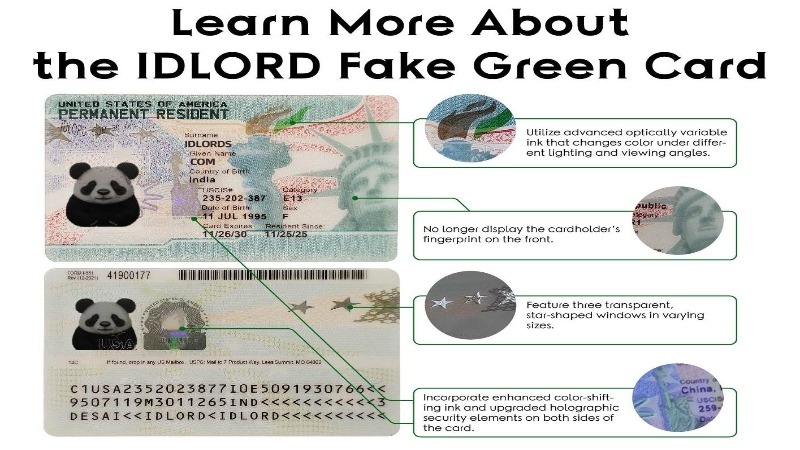
Microprinting is only one part of a secure identification card. Modern IDs usually combine several security technologies.
Holograms
These reflective images change appearance when the card moves.
UV Printing
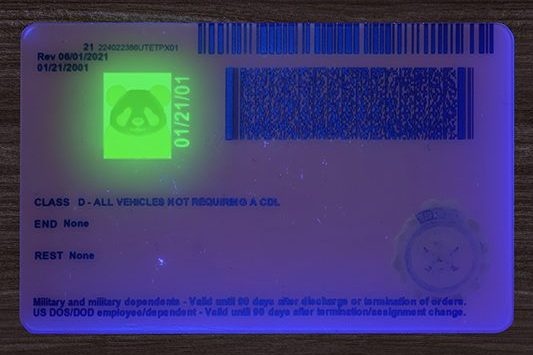
Hidden graphics appear only under ultraviolet light.
Ghost Images
A smaller copy of the holder’s photo provides another verification point.
Laser Engraving
Some IDs permanently engrave personal information into the card.
Barcodes and QR Codes
Digital information helps support identity verification.
Together, these features create multiple layers of protection.
Can Anyone See Microprinting?
Most people cannot read microprinting without magnification.
That is completely normal.
The letters are intentionally designed to be extremely small. This makes them difficult for counterfeiters to reproduce while remaining available for trained inspectors.
Does Every ID Have Microprinting?
Not every identification document includes microprinting.
Older IDs may not use it, while newer cards often include multiple forms of tiny text throughout the design.
The exact placement and wording vary depending on the issuing authority and document type.
Common Misunderstandings About Microprinting
Many people misunderstand how microprinting works.
Myth: It Is Invisible
Not exactly.
The printed line is visible, but the tiny letters usually are not readable without magnification.
Myth: Every Thin Line Is Microprinting
Some decorative lines contain no text at all. True microprinting consists of actual, readable letters under magnification.
Myth: It cannot Be Damaged
Like any printed feature, excessive wear, scratches, or poor handling can affect its appearance over time.
Advantages of Microprinting
Microprinting offers several important benefits.
Better Security
Tiny printed text increases document protection.
Higher Verification Confidence
Inspectors have another feature to examine.
Difficult to Reproduce
Standard printers struggle to duplicate the fine details.
Cost-Effective Protection
Microprinting adds strong security without changing the overall appearance of the ID.
Limitations of Microprinting
Although helpful, microprinting is not perfect.
Some limitations include:
- Requires magnification for inspection
- Can wear down on damaged cards
- Should never be the only verification method
- May be difficult for untrained individuals to recognize
For these reasons, professionals always examine multiple security features together.
Why Understanding ID Security Matters
Learning about security features helps people recognize how modern identification documents protect personal information.
Whether you work in retail, banking, hospitality, education, or transportation, understanding features like microprinting can improve awareness during routine ID checks.
However, no single feature should determine whether an identification document is genuine. Proper verification always involves checking several security elements together while following applicable laws and workplace procedures.
If you’re interested in learning more about identification document features, verification methods, and educational information about modern ID designs, visit the Fake Driving License Guide on IDLord for additional resources and insights.
FAQs About What Is Microprinting on IDs
What is microprinting on an ID?
Microprinting is extremely small printed text placed on an identification document as a security feature. It usually requires magnification to read.
Why is microprinting important?
It helps make identification documents more difficult to copy accurately and provides another feature for verification.
Can I see microprinting without a magnifying glass?
Usually, no. Most people need magnification to read the tiny letters.
Does every driver’s license use microprinting?
Not all of them. The use of microprinting depends on the issuing authority, document design, and production standards.
Is microprinting enough to verify an ID?
No. It is only one security feature. Proper verification should always include checking multiple security elements together.
Conclusion About What Is Microprinting on IDs
Microprinting is one of the most effective security features used on modern identification documents. Its tiny printed text makes accurate copying much more difficult while giving trained inspectors another reliable way to examine an ID.
Although most people never notice it, microprinting plays an important role in document security. When combined with holograms, UV printing, laser engraving, and other protective features, it helps strengthen the overall integrity of identification cards. Understanding how these features work provides valuable knowledge about modern ID security and responsible verification practices.
