
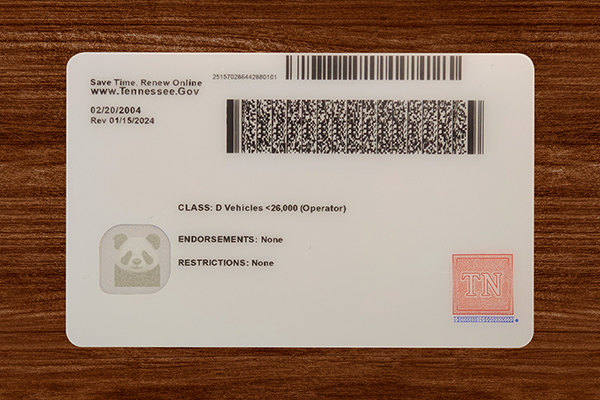
The word “scannable” often appears when people talk about novelty ID cards. But what does it actually mean?
In simple terms, a scannable ID contains a barcode, QR code, magnetic-style data area, or another machine-readable feature that a compatible device may be able to read. The scanner reads the encoded information and sends that information to a computer or software system.
However, there is an important point to understand: a scannable novelty ID is not the same thing as a government-issued identification document.
Novelty IDs are generally created for entertainment, costumes, collections, creative projects, photography, displays, or other lawful purposes. They should not be used to misrepresent your identity, age, driving status, residency, or government credentials.
If you are exploring novelty ID designs, you can learn more about the available concept and intended uses on IDLord’s Novelty ID Cards page.
What Does “Scannable” Mean?
A scannable ID has information stored in a format that a machine can recognize.
Think about a product at a supermarket. The cashier scans a barcode, and the computer identifies the product. A QR code works in a similar way. A phone camera or scanner reads the pattern and converts it into information.
A novelty ID can contain a machine-readable element for demonstration or creative purposes. Depending on the design, this could include a barcode or QR code.
The important thing to remember is that being scannable does not automatically make an ID official or authentic.
A scanner may successfully read a code while having no reason to treat the card as a valid government document.
How Does a Scannable Code Work?
Most machine-readable codes use patterns that represent information.
For example, a QR code uses a grid of small squares. When a compatible camera or scanner detects the pattern, software interprets the information stored inside it.
A basic process looks like this:
- A code contains encoded information.
- A scanner or camera detects the code.
- Software reads the pattern.
- The software converts the pattern into data.
- The system displays or processes the information.
The same basic idea applies to many different types of barcodes.
For novelty products, the purpose may simply be to demonstrate how machine-readable technology works or to add a realistic-looking design element to a creative project.
Scannable Does Not Mean Government-Verified
This is one of the most important differences to understand.
A scanner can read a code without verifying that the card came from a government agency.
For example, imagine a card with a QR code that opens a webpage. A smartphone can scan the QR code and open the webpage. That only proves that the QR code contains readable information.
It does not prove that the card itself is a government-issued document.
This distinction matters because people sometimes assume that a successful scan means an ID has passed an official verification process. That assumption can be incorrect.
Machine-readable and government-authenticated are two different things.
What Can a Scanner Read?
The exact information depends on the type of code and the system that reads it.
A barcode or QR code might contain simple information such as:
- A reference number
- A product or event code
- A website address
- Demonstration information
- A text message
- A digital reference
- Other non-sensitive data
A scanner only reads the information encoded in the machine-readable area. It does not magically confirm every detail printed on the card.
For novelty projects, using non-sensitive demonstration information is a safer approach.
Why Do Novelty IDs Use Scannable Features?
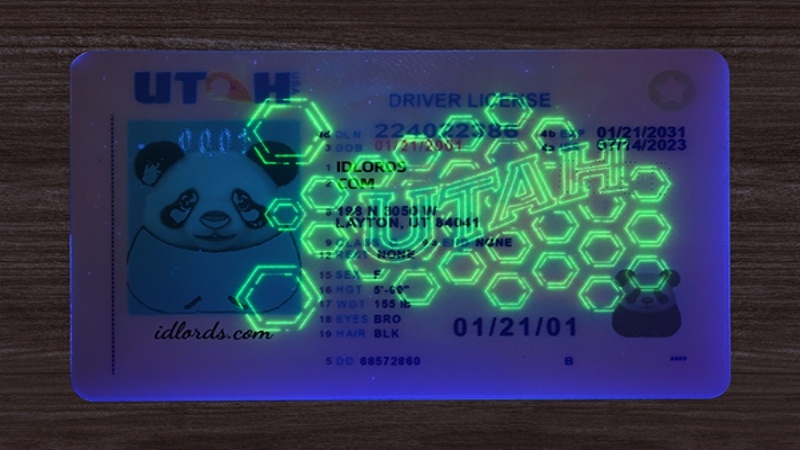
Scannable features can make a novelty design more interactive.
For example, a creative project could use a QR code that leads to a themed webpage. A costume project could include a code that displays fictional information. An event prop could use a barcode as part of its visual design.
These features can add an interesting technology element without claiming that the card is an official credential.
The goal should be creative presentation rather than deception.
Scannable Novelty IDs vs. Official IDs
It is helpful to compare the two concepts.
| Feature | Novelty ID | Official Government ID |
|---|---|---|
| Purpose | Creative or entertainment use | Official identification |
| Issued by government | No | Yes |
| May contain a barcode or QR code | Yes | Often, depending on jurisdiction |
| Machine-readable | May be | Often |
| Government authentication | No | Yes |
| Legal identification document | No | Depends on official issuer and document |
| Suitable as a replacement for official ID | No | Yes, where legally accepted |
The presence of a barcode or QR code does not change the fundamental purpose of a novelty card.
Are All Scannable IDs the Same?
No.
Different technologies store and communicate information in different ways. A QR code, traditional barcode, and other machine-readable formats do not work exactly the same way.
The scanner also matters.
A device designed to read one type of code may not read another. Software can also determine what happens after a code gets scanned.
For this reason, the word “scannable” alone does not tell you exactly what technology a card uses.
When evaluating a novelty design, look at the specific machine-readable feature and its intended purpose.
What Happens When a QR Code Is Scanned?
QR codes are especially common because most modern smartphones can read them.
Suppose a novelty card contains a QR code linked to a fictional project page. When someone scans the code, their phone may open that page.
The process can be simple:
Camera → QR Code → Scanner Software → Encoded Information → Result
The result could be a webpage, text, or another permitted type of information.
Again, scanning the code does not turn the novelty card into an official identification document.
Important Safety and Legal Considerations
Novelty IDs should always remain clearly within their intended creative purpose.
Do not use a novelty card to:
- Pretend to be another person
- Claim government-issued credentials
- Misrepresent your age
- Misrepresent your driving authorization
- Gain access to restricted services
- Enter places by falsely claiming an identity
- Avoid identity verification
- Commit fraud or deceive another person
Rules can vary by location, and some jurisdictions have specific laws concerning identification documents and replicas.
When an official identification document is required, use the legitimate document issued by the appropriate authority.
How to Think About “Scannable”
The easiest way to remember the concept is this:
Scannable means a machine-readable feature. It does not automatically mean official, authentic, or government-approved.
A QR code can be scannable.
A barcode can be scannable.
A machine-readable data area can be scannable.
But none of those features alone establish legal identity.
This simple distinction helps prevent confusion when discussing novelty IDs and their technology.
Common Questions About Scannable Novelty IDs
What is a scannable novelty ID?
A scannable novelty ID is a novelty card that includes a machine-readable feature, such as a barcode or QR code. It is intended for lawful creative or entertainment purposes rather than official identification.
Does a scannable novelty ID work like a real ID?
No. A machine-readable code does not make a novelty card an official identification document.
Can a phone scan a novelty ID?
A phone may be able to scan a compatible QR code or barcode. What happens after scanning depends on the information stored in the code.
Does scanning prove that an ID is real?
No. Scanning only shows that compatible software can read the machine-readable information. Official verification involves additional checks and depends on the issuing authority and verification system.
Why add a QR code to a novelty card?
A QR code can add an interactive element to a creative project. It can point to a website, display demonstration information, or support a themed experience.
Final Thoughts
“Scannable” is a technology term, not a guarantee of authenticity.
A scannable novelty ID can include a barcode, QR code, or another machine-readable feature. A compatible scanner can read that feature and process the information it contains.
However, a successful scan does not make the novelty card government-issued or legally valid for identification.
The best way to use novelty IDs is to keep them clearly connected to creative, entertainment, costume, collection, educational, or display purposes. When you need to prove your real identity, age, driving authorization, or residency, always rely on the appropriate official documentation.
For more information about novelty ID cards and their intended creative applications, visit IDLord Novelty ID Cards.
