
Introduction
Scannable IDs have become increasingly popular among people searching for realistic identification cards with advanced verification features. Whether you are interested in novelty IDs, collectible cards, or demonstration purposes, high-quality scannable IDs are designed to replicate authentic identification cards with precision. The latest scannable IDs come with working barcodes, magnetic strips, UV features, and holographic overlays that allow them to pass scanner checks successfully.
In today’s market, users seek IDs that not only look realistic but also function accurately when scanned. Premium-quality scannable IDs are crafted using advanced printing technologies, ensuring every detail matches the original design. From state IDs to driver’s licenses and student cards, manufacturers now focus heavily on authenticity and durability.
This guide explores everything about scannable IDs, including their features, benefits, technology, and why top-quality IDs stand out from ordinary replicas.
What Are Scannable IDs?
Scannable IDs are identification cards designed with machine-readable technology. These IDs contain encoded information in barcodes, QR codes, or magnetic strips that can be scanned by verification systems. Unlike low-quality replicas, premium scannable IDs include accurate data formatting that responds properly during scans.
The purpose of a scannable ID is to simulate the appearance and scanning capabilities of authentic identification documents. Modern verification systems use scanners to read encoded data and confirm the authenticity of an ID. Therefore, a high-quality scannable ID must contain properly programmed barcode information.
Features of Top Quality Scannable IDs
1. Working Barcode Technology
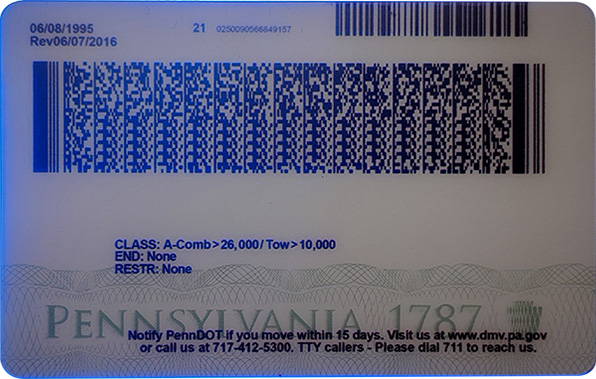
One of the most important elements of a scannable ID is the barcode. Premium IDs include PDF417 barcodes that store encoded personal information. When scanned, the barcode displays details similar to a genuine ID.
Benefits of Working with Barcodes:
- Accurate data retrieval
- Fast scanner recognition
- Enhanced authenticity
- Better verification success rates
2. Realistic Holograms
Modern scannable IDs use state-specific holograms that resemble official identification cards. These holograms reflect light and improve the visual authenticity of the card.
Common Hologram Features:
- UV reflective designs
- Multi-layer overlays
- Laser-engraved effects
- State seals and logos
3. Magnetic Strips
Many high-end IDs also include magnetic strips. These strips can store encoded data and function similarly to those found on official cards.
Advantages:
- Additional verification capability
- Realistic card structure
- Increased compatibility with scanners
4. Durable Materials
Top-quality IDs are printed on durable PVC material. The cards are flexible, waterproof, and resistant to damage.
Material Benefits:
- Long-lasting durability
- Professional texture
- Realistic card thickness
- Scratch resistance
Why Scannable IDs Are Popular
Scannable IDs are popular because users want identification cards that appear realistic and function correctly during verification checks. Ordinary fake IDs often fail scanner tests because they lack accurate barcode programming.
Premium scannable IDs solve this issue by using advanced encoding systems and authentic design elements.
Main Reasons for Popularity:
- Realistic appearance
- Functional barcode scanning
- Professional-quality printing
- Enhanced security features
- Better durability
How Scannable IDs Work
Scannable IDs rely on encoded barcode technology. A barcode scanner reads the information stored inside the barcode and displays details such as:
- Name
- Date of birth
- Address
- License number
- Expiration date
The barcode is generated using specific formatting standards that match official state requirements. When the scanner processes the barcode, it interprets the encoded data successfully.
Types of Scannable IDs
Driver’s Licenses

Scannable driver’s licenses are among the most requested IDs. They replicate state-issued licenses with detailed graphics and working barcode systems.
Features:
- State holograms
- UV security marks
- Real barcode encoding
- Signature replication
State Identification Cards

State IDs are another common option. These cards are designed similarly to driver’s licenses but without driving privileges.
Benefits:
- Lightweight design
- Easy portability
- Scanner compatibility
- Realistic formatting
Student IDs
Scannable student IDs include magnetic strips and barcodes used for campus access systems.
Common Uses:
- Campus entry systems
- Library access
- Attendance verification
Importance of Barcode Accuracy
Barcode accuracy determines whether an ID passes scanner verification. Low-quality IDs often use random or incorrect barcode data, causing immediate detection.
Premium IDs use properly formatted barcode encoding that aligns with state specifications.
Accurate Barcode Features:
- Correct data sequence
- State-compliant formatting
- Functional scanner output
- Reliable verification results
Security Features in Modern Scannable IDs
Advanced scannable IDs now include multiple security elements to improve realism.
UV Ink Printing
UV ink becomes visible under ultraviolet light and mimics official security markings.
Microprinting
Tiny printed text adds another layer of realism and makes duplication more difficult.
Ghost Images
Ghost images are secondary faded photos embedded into the card design.
Raised Text
Some premium IDs feature tactile raised lettering for a more authentic feel.
How to Identify High-Quality Scannable IDs
Not all scannable IDs are made equally. High-quality cards stand out due to their materials, printing methods, and barcode functionality.
Key Indicators:
- Sharp image quality
- Proper barcode scans
- Authentic holograms
- Durable PVC material
- Accurate font spacing
Advantages of Premium Scannable IDs
Better Scan Performance
Premium IDs are specifically designed to pass barcode scans successfully.
Enhanced Durability
High-quality PVC materials increase the lifespan of the card.
Realistic Appearance
Modern printing methods produce highly detailed designs that resemble genuine IDs.
Advanced Security Elements
Holograms, UV ink, and magnetic strips improve authenticity.
Common Cheap IDs
Low-cost IDs usually lack functional barcodes and quality materials.
Ignoring Security Features
An ID without holograms or UV features is easier to detect.
Poor Image Quality
Blurry printing reduces authenticity and scanner reliability.
Tips for Choosing the Best Scannable IDs
Research Quality Standards
Always look for IDs with:
- PDF417 barcodes
- UV features
- Durable PVC material
- Realistic holograms
Verify Printing Technology
Professional printing methods produce sharper graphics and better durability.
Focus on Barcode Functionality
A realistic appearance means little if the barcode fails during scans.
Future of Scannable ID Technology
Scannable ID technology continues evolving with improved security features and more advanced barcode systems. Manufacturers constantly adapt to new verification methods by enhancing:
- Barcode encryption
- Holographic overlays
- UV printing technology
- Data encoding accuracy
As verification systems become more sophisticated, the demand for high-quality IDs with realistic scanning capabilities will likely continue to grow.
FAQs About Scannable IDs
What makes an ID scannable?
A scannable ID contains encoded barcode or magnetic strip information that can be read by scanners.
Do all fake IDs scan successfully?
No, low-quality IDs often fail because they use incorrect barcode formatting.
What barcode is commonly used on IDs?
Most modern IDs use PDF417 barcodes for data storage and scanning.
Why are holograms important?
Holograms improve realism and mimic official security features found on authentic IDs.
What material is used for premium IDs?
Top-quality IDs are usually made from durable PVC plastic.
Can scanners detect low-quality IDs?
Yes, inaccurate barcode data or poor formatting can cause scanners to reject the ID.
Conclusion
Scannable IDs with advanced barcode technology and premium security features offer a highly realistic identification experience. From working PDF417 barcodes to holographic overlays and UV printing, modern IDs are designed with precision and authenticity in mind.
Top-quality scannable IDs stand out because they combine accurate data encoding, durable materials, and realistic visual elements. Whether for novelty purposes, collections, or demonstrations, choosing a premium-quality ID ensures better scanning performance and a more authentic appearance.
As technology evolves, the demand for highly detailed and functional scannable IDs continues to increase. Investing in quality remains the key to achieving reliable results and realistic verification capabilities.
