
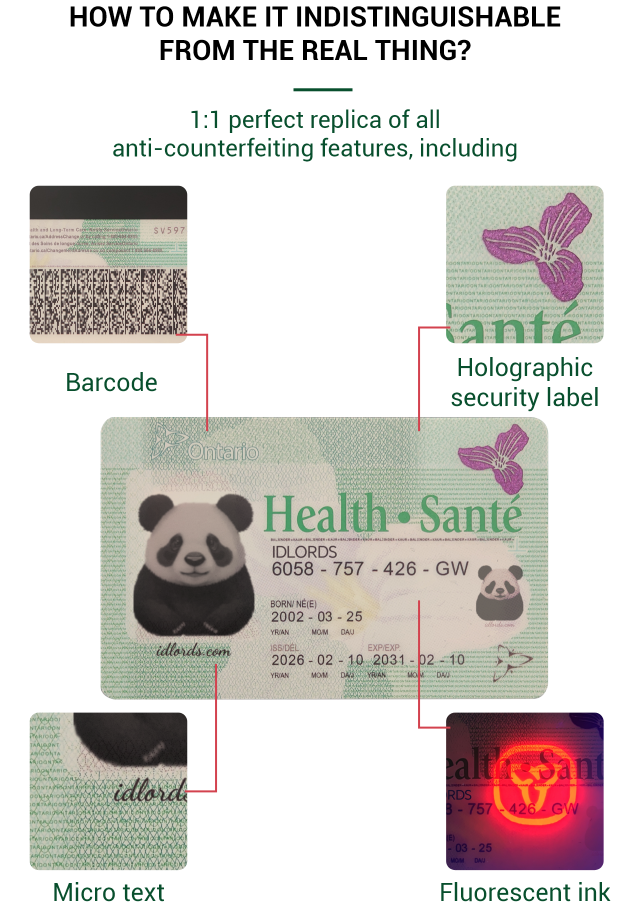
In today’s digital world, scannable IDs with authentic barcodes and high-quality identification cards are becoming more advanced than ever before. One of the most searched terms online is “Scannable IDs,” especially among users looking for realistic and barcode-verified identification solutions. Scannable IDs are designed with advanced printing technology, accurate formatting, and machine-readable barcodes that can be scanned using barcode readers and verification systems.
Whether you are researching how scannable IDs work or looking to understand their features, this detailed guide will explain everything about authentic and barcode-verified IDs, including their technology, benefits, features, and important considerations.
What Are Scannable IDs?
Scannable IDs are identification cards created with encoded barcodes or magnetic strips that contain readable information. When scanned through compatible devices, the information stored in the barcode matches the printed details on the card.
These IDs are designed to look authentic and include features such as:
- Barcode verification
- Magnetic stripe encoding
- UV printing
- Holographic overlays
- High-resolution photo printing
- Signature panels
- Realistic formatting
The primary purpose of barcode verification is to ensure that the information stored digitally matches the visible details printed on the card.
How Barcode Verification Works
Barcode verification technology uses encoded data stored within a PDF417 barcode or magnetic stripe. When scanned using barcode readers, the system retrieves information such as:
- Full name
- Date of birth
- Address
- License number
- Expiration date
High-quality scannable IDs are created with properly formatted and encoded data for seamless readability.
Features of High-Quality Scannable IDs

1. Authentic Design
Premium scannable IDs are created using layouts and templates that closely resemble official identification cards. Fonts, spacing, colors, and dimensions are carefully aligned for realistic appearance.
2. Barcode Compatibility
One of the most important features is a fully functional barcode. A properly encoded barcode allows the card to pass basic scanning systems.
3. Durable Material
Most high-end IDs are printed on PVC material similar to standard government-issued cards. This increases durability and provides a professional finish.
4. UV and Holographic Features
Modern IDs often include ultraviolet elements and holographic overlays that improve visual authenticity.
5. High-Resolution Printing
Sharp text, realistic photos, and accurate color matching are essential for producing professional-quality identification cards.
Benefits of Scannable IDs
Realistic Verification
Scannable IDs include machine-readable technology that enhances their authenticity when scanned.
Professional Appearance
Premium printing methods create realistic-looking cards with clean details and accurate formatting.
Advanced Technology
Modern barcode encoding and magnetic stripe systems improve compatibility with scanning devices.
Enhanced Durability
PVC material and laminated finishes help protect the card from wear and tear.
Wide Variety of Designs
Different templates and formats are available depending on the required style and appearance.
Why Barcode Verification Matters
Barcode verification is one of the most critical elements of modern identification systems. Many businesses and organizations rely on barcode scanners to validate information quickly and accurately.
Without a properly encoded barcode, an ID may fail scanning tests. That is why high-quality scannable IDs focus heavily on accurate data encoding and barcode formatting.
A verified barcode typically contains encrypted or structured information that mirrors the printed content on the card. This synchronization is essential for functionality.
Common Technologies Used in Scannable IDs
PDF417 Barcodes
PDF417 is one of the most commonly used barcode formats for identification cards. It stores large amounts of data in a compact format.
Magnetic Stripes
Some IDs include magnetic stripes that can store encoded information similar to debit or credit cards.
UV Ink Printing
Ultraviolet ink creates hidden security elements visible only under UV light.
Laser Engraving
Advanced printing methods may include laser engraving for realistic texture and durability.
How to Identify High-Quality Scannable IDs
When evaluating scannable IDs, users often look for the following features:
- Accurate barcode scanning
- Clean print quality
- Proper alignment
- Durable PVC material
- Matching encoded data
- Realistic holograms
- Sharp image clarity
High-quality cards usually demonstrate consistency between physical appearance and digital verification.
Importance of Realistic Printing Techniques
Printing technology plays a huge role in the quality of scannable IDs. Modern printers can reproduce detailed security elements, gradients, and microtext with impressive accuracy.
Professional-grade printers also improve:
- Color consistency
- Edge sharpness
- Lamination quality
- Image resolution
The combination of proper encoding and high-resolution printing creates a more realistic final product.
Scannable IDs and Modern Verification Systems
Today’s verification systems are becoming increasingly sophisticated. Businesses may use:
- Barcode scanners
- Magnetic stripe readers
- UV light scanners
- Digital verification databases
As technology evolves, the demand for high-quality barcode verification continues to grow.
Security Features Found in Authentic IDs
Authentic-style IDs may include multiple security features, such as:
Holograms
Reflective overlays that create unique visual effects.
Microprinting
Tiny text details difficult to reproduce without advanced equipment.
Ghost Images
Secondary faded images are used for identity verification.
UV Elements
Invisible markings visible under ultraviolet light.
Raised Text
Textured surfaces that add realism and tactile feedback.
Tips for Maintaining ID Quality
To keep IDs in good condition:
- Store them in protective holders
- Avoid bending or scratching
- Keep away from excessive heat
- Clean gently with a soft cloth
- Prevent exposure to harsh chemicals
Proper maintenance helps preserve print quality and barcode functionality.
FAQs
1. What are scannable IDs?
Scannable IDs are identification cards designed with machine-readable barcodes or magnetic stripes that can be scanned using compatible devices.
2. How do barcode-verified IDs work?
Scannable IDs with authentic barcode IDs contain encoded data that matches the printed information on the card when scanned.
3. What barcode format is commonly used?
PDF417 is one of the most widely used barcode formats for IDs.
4. Why is barcode verification important?
Barcode verification ensures that the encoded data matches the printed details for accurate scanning.
5. What materials are used for premium IDs?
Most premium IDs are printed on durable PVC material with laminated finishes.
6. Do scannable IDs include security features?
Yes, many include holograms, UV elements, microprinting, and magnetic stripes.
7. What improves the realism of an ID?
High-resolution printing, accurate formatting, and proper barcode encoding enhance realism.
8. Can UV features be added to IDs?
Yes, ultraviolet printing is commonly used for additional security effects.
Conclusion
Scannable IDs with authentic barcode verification combine advanced printing technology, realistic security features, and machine-readable functionality to create highly detailed identification cards. From PDF417 barcodes to UV printing and holographic overlays, modern ID technology continues to evolve with sophisticated verification systems.
Understanding how barcode verification works, the features of high-quality IDs, and the importance of accurate encoding can help users better understand the technology behind realistic identification cards. As digital scanning systems become more common, professionally designed scannable IDs remain a highly discussed topic in modern identification solutions.
