
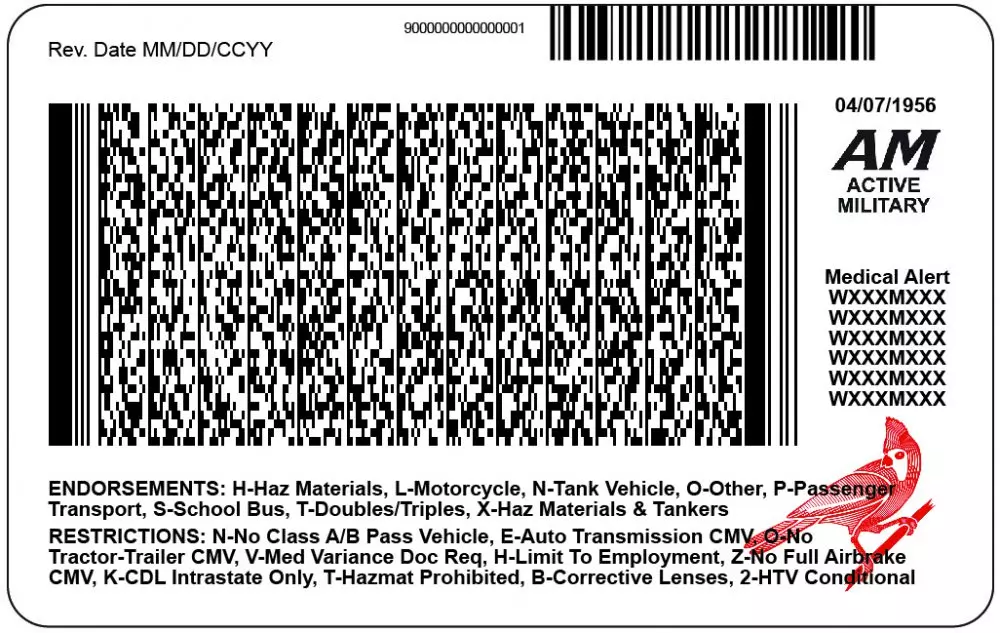
Introduction: How Scannable ID Cards Work
In the modern digital world, scannable ID cards have become an essential tool for identity verification, access control, and data management. These cards are widely used in government IDs, driving licenses, employee badges, student cards, and membership cards.
Unlike traditional ID cards that only display printed information, scannable IDs contain machine-readable codes that allow scanners and digital systems to retrieve stored information instantly.
The most common technologies used in these cards include:
- Barcodes
- QR Codes
- PDF417 Codes
Each technology plays a unique role in secure identification, data storage, and quick scanning.
In this guide, we will explain how scannable ID cards work, their technologies, advantages, and real-world applications.
What Are Scannable ID Cards?
Scannable ID cards are identification cards that include machine-readable codes that can be scanned using devices such as:
- Barcode scanners
- Smartphone cameras
- Dedicated ID card readers
- Airport and government verification systems
These codes store encoded data that can instantly be accessed when scanned.
This information may include:
- Name
- ID number
- Expiry date
- Organization details
- Access permissions
- Encrypted personal data
Because of this technology, scannable ID cards are commonly used in secure environments where fast identity verification is required.
Types of Scannable Codes Used in ID Cards
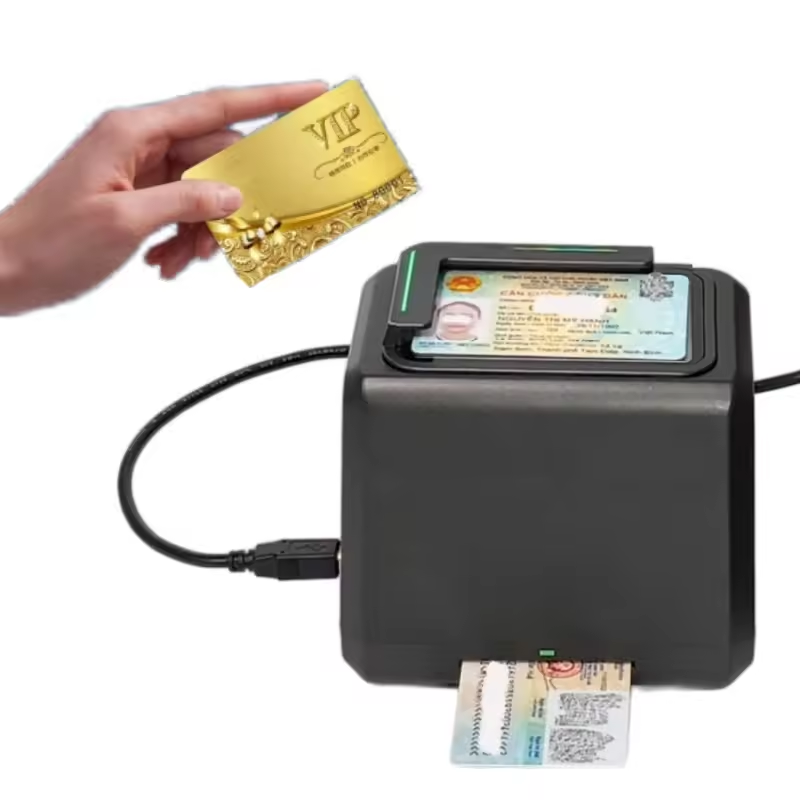
1. Barcode Technology in ID Cards
Barcodes are one of the oldest and most widely used scanning technologies.
How Barcodes Work
A barcode consists of vertical black bars and white spaces that represent numbers or characters.
When scanned:
- A scanner emits light.
- The light reflects differently on black and white areas.
- The scanner converts this pattern into digital data.
This data is then sent to a computer system or database.
Common Uses of Barcode IDs
Barcodes are commonly used for:
- Employee ID cards
- Library cards
- Membership cards
- Inventory and warehouse IDs
- Event passes
Advantages of Barcode ID Cards
- Low cost
- Easy to print
- Fast scanning
- Compatible with many systems
However, barcodes have limited data storage capacity, which is why newer technologies like QR codes and PDF417 are often used today.
2. QR Codes in ID Cards
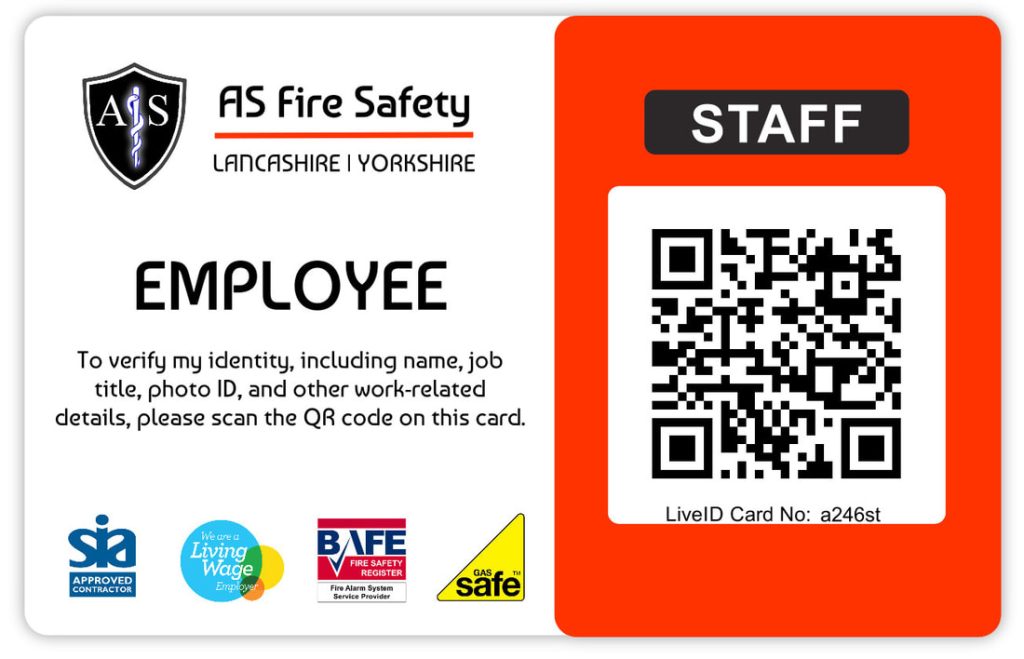
QR codes (Quick Response codes) are two-dimensional codes that store much more information than traditional barcodes.
How QR Codes Work
A QR code contains square patterns arranged in a grid. These patterns encode data such as:
- URLs
- Text
- Numbers
- Digital IDs
- Authentication tokens
When scanned with a camera or QR scanner, the software decodes the pattern and reveals the stored information.
Benefits of QR Codes on ID Cards
QR codes offer several advantages:
- High data storage capacity
- Error correction capability
- Fast scanning from any direction
- Easy smartphone compatibility
Where QR Code IDs Are Used
QR code ID cards are commonly used in:
- Digital passes
- Event ticketing
- Mobile identity systems
- Corporate access badges
- Vaccination or health certificates
QR codes are especially useful because almost every smartphone can scan them instantly.
3. PDF417 Codes in ID Cards
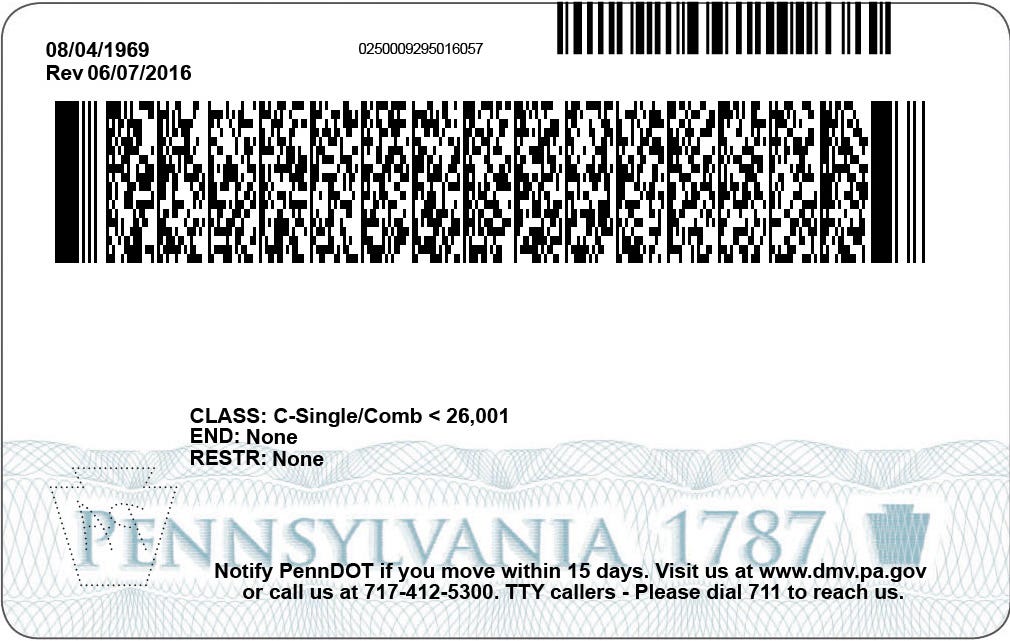
PDF417 is a stacked two-dimensional barcode format that is widely used in government identification systems.
It is one of the most secure and data-rich barcode formats.
How PDF417 Works
PDF417 codes contain multiple rows of encoded data. These rows can store:
- Personal details
- License numbers
- Date of birth
- Address
- Issue and expiry dates
Because of its high capacity, PDF417 is often used in driver’s licenses and official identification cards.
Why Governments Use PDF417
Many government agencies prefer PDF417 because it:
- Stores large amounts of data
- Supports error correction
- Allows encrypted information
- Works with specialized scanners
For example, driver’s licenses in many countries use PDF417 codes on the back of the card.
How the Scanning Process Works
The scanning process for ID cards generally follows these steps:
Step 1: Card Presentation
The user presents the ID card to a scanner or camera.
Step 2: Code Detection
The scanner detects the barcode, QR code, or PDF417 pattern.
Step 3: Data Decoding
Software decodes the visual pattern into readable digital information.
Step 4: Database Verification
The system checks the decoded data against a database or verification system.
Step 5: Access or Identity Confirmation
If the information matches the system records, the user is verified or granted access.
This process usually takes less than one second.
Security Features of Scannable ID Cards
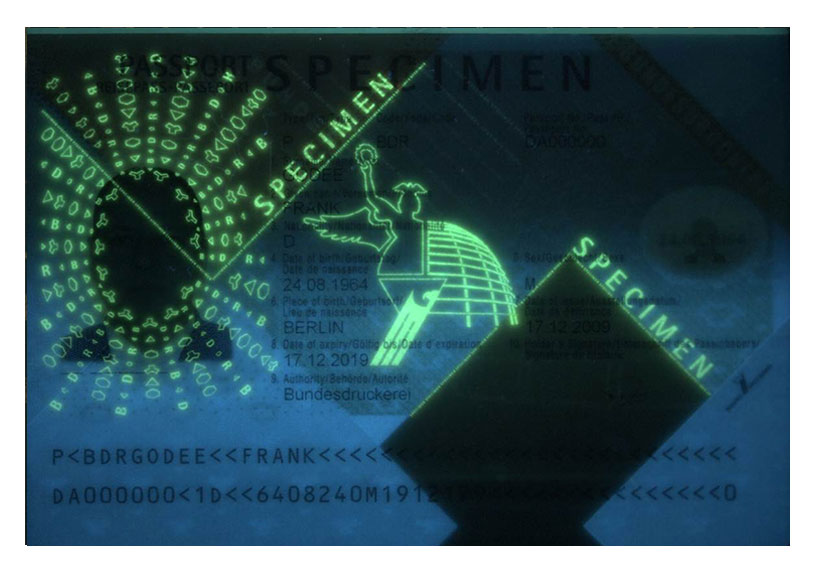
Scannable ID cards often include additional security measures to prevent fraud.
These may include:
Encryption
Sensitive data stored in code can be encrypted.
Digital Signatures
Authentication keys verify that the code has not been altered.
Database Validation
Scanned data is cross-checked with a central database.
Holograms and Physical Security
Physical card security features are often combined with digital scanning.
These features make scannable IDs more secure than traditional printed IDs.
Industries That Use Scannable ID Cards
Many industries rely on scannable identification systems.
Government and Law Enforcement
Used for:
- Driving licenses
- National ID cards
- Border control
Corporate Offices
Companies use scannable ID cards for:
- Employee access control
- Attendance tracking
- Visitor management
Education
Schools and universities use ID cards for:
- Student identification
- Library access
- Campus entry systems
Healthcare
Hospitals use scannable cards to manage:
- Patient identification
- Medical records
- Staff credentials
Events and Entertainment
Event organizers use scannable passes for:
- Ticket validation
- VIP access
- Crowd management
Benefits of Scannable ID Cards
There are many advantages to using scannable ID cards.
1. Faster Verification
Scanning takes seconds compared to manual checks.
2. Improved Security
Encoded data reduces identity fraud.
3. Better Data Management
Information can be easily stored and retrieved.
4. Automation
Systems can automatically record attendance or access logs.
5. Cost Efficiency
Long-term operational costs are reduced.
Future of Scannable ID Technology
The future of ID technology is moving toward smart and digital identities.
Emerging technologies include:
- NFC-enabled ID cards
- Mobile digital IDs
- Biometric verification
- Blockchain identity systems
However, barcodes, QR codes, and PDF417 will continue to play a major role because they are affordable, reliable, and widely supported.
FAQs
1. What is a scannable ID card?
A scannable ID card is an identification card that contains a machine-readable code, such as a barcode, QR code, or PDF417, that stores encoded information.
2. What is the difference between a barcode and a QR code?
Barcodes are one-dimensional codes with limited data capacity, while QR codes are two-dimensional and can store much more information.
3. Why do driver’s licenses use PDF417 codes?
PDF417 codes can store large amounts of data, making them ideal for government identification systems such as driver’s licenses.
4. Can smartphones scan scannable ID cards?
Yes, most smartphones can scan QR codes and some barcode formats using built-in cameras or apps.
5. Are scannable ID cards secure?
Yes, they can include encryption, digital signatures, and database verification to improve security.
Conclusion
Scannable ID cards have transformed the way organizations manage identity verification and access control. By using technologies like barcodes, QR codes, and PDF417, these cards enable fast, reliable, and secure data retrieval.
From government identification systems to corporate security and event management, scannable IDs play a vital role in modern digital infrastructure.
As technology continues to evolve, scannable ID cards will remain a key component of secure identification systems, bridging the gap between physical identity cards and digital verification platforms.
