
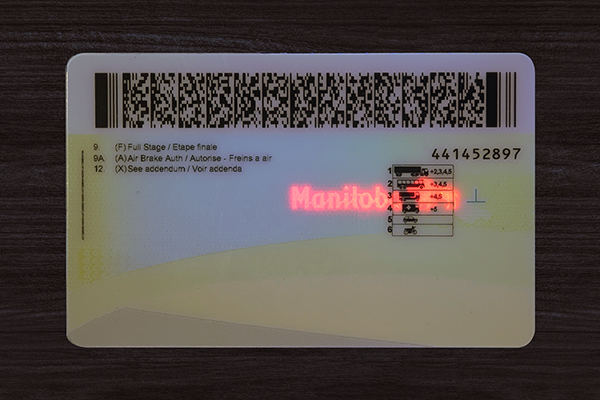
In today’s digital age, many people search for high-quality identification solutions that combine advanced technology with realistic design. A scannable driver’s license is designed with precision barcode technology, magnetic strips, holograms, UV features, and microprint elements to resemble authentic identification cards closely. These licenses are crafted to pass scanning systems and provide a professional appearance.
Whether you need a novelty ID for entertainment purposes, movie props, private collections, or educational demonstrations, choosing a premium-quality scannable driver’s license is essential. A high-end card ensures accurate details, sharp printing, and advanced security features that make the license look realistic and professional.
This guide explains everything about scannable driver’s licenses, their features, benefits, quality standards, and why advanced production methods matter.
What Is a Scannable Driver’s License?
A scannable driver’s license is an identification card designed with a working barcode or magnetic stripe that contains encoded data. The barcode can be scanned by compatible devices to display stored information. High-quality scannable IDs are created using advanced printing equipment and professional-grade materials to achieve realistic results.
Modern scannable licenses may include:
- Functional PDF417 barcodes
- UV ink security features
- Holographic overlays
- Laser engraving effects
- Raised text and tactile elements
- Microprinting details
- Accurate formatting and spacing
These features help create a visually authentic appearance while improving durability and realism.
Features of a Premium Scannable Driver’s License
1. Working Barcode Technology
One of the most important elements of a scannable driver’s license is the barcode. Premium licenses use encoded data that can be read by barcode scanners. This feature increases realism and functionality.
2. High-Quality Printing
Professional printing techniques ensure crisp text, accurate colors, and realistic layouts. High-resolution printing improves the appearance of logos, signatures, and background patterns.
3. Hologram Protection
Many modern licenses include holographic overlays that reflect light and create a secure appearance. These holograms are carefully designed to match official styles.
4. UV Security Features
UV printing adds invisible elements visible only under ultraviolet light. This feature improves realism and replicates security measures used on authentic IDs.
5. Durable PVC Material
Premium driver’s licenses are usually printed on durable PVC material similar to authentic cards. The material resists bending, scratching, and fading.
6. Magnetic Stripe Encoding
Some scannable IDs include magnetic stripes containing encoded information. This feature enhances functionality and realism.
Why People Choose Scannable Driver’s Licenses
There are many reasons why individuals look for realistic scannable licenses. Common uses include:
- Film and television props
- Educational demonstrations
- Theatrical productions
- Private novelty collections
- Display and design purposes
A professionally designed card provides a realistic appearance for these creative and entertainment-related applications.
Benefits of High-Quality Scannable IDs
Realistic Appearance
Premium licenses feature advanced details that create an authentic look and feel.
Advanced Security Features
Holograms, UV elements, and microprinting enhance visual quality and realism.
Durability
PVC cards are designed to withstand daily handling without damage.
Professional Finish
Clean edges, accurate dimensions, and smooth lamination improve overall quality.
Fast Production
Modern printing technology allows quick production while maintaining professional standards.
Important Elements of a Scannable Driver’s License
Barcode Accuracy
The barcode must contain properly formatted data for scanning compatibility.
Correct Font Usage
Professional IDs use accurate fonts and spacing to match official formatting.
Signature and Photo Quality
Sharp photos and realistic signatures contribute to authenticity.
Lamination
A smooth laminate layer protects the card and improves durability.
State-Specific Design
Each state has unique layouts, colors, and security features. Accurate replication improves realism.
How Scannable Licenses Are Made
Modern scannable driver’s licenses are produced using advanced digital printing systems. The process typically includes:
- Designing the layout
- Encoding barcode data
- Printing on PVC sheets
- Applying holograms
- Laminating the card
- Cutting and finishing
Professional equipment ensures high precision and realistic quality.
What Makes a Driver’s License Pass Scans?
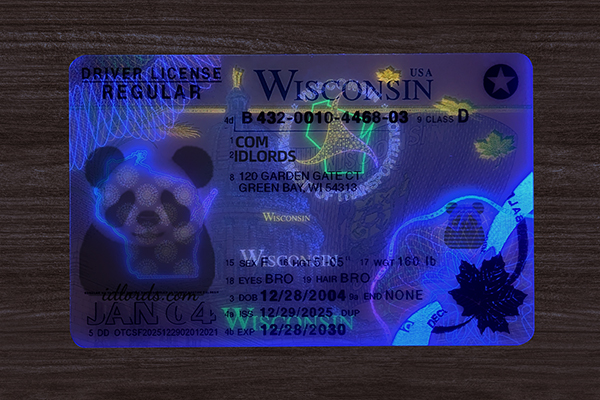
A license passes scans when the barcode or magnetic stripe contains properly formatted information compatible with scanning systems. Premium manufacturers use advanced encoding methods to create readable barcodes.
Factors that affect scan performance include:
- Barcode quality
- Correct data formatting
- Printing precision
- Scanner compatibility
- Material quality
A well-produced scannable ID combines all these elements for better results.
Choosing the Best Scannable Driver’s License
When selecting a premium novelty driver’s license, consider the following:
Print Resolution
High-resolution printing improves sharpness and realism.
Material Quality
PVC cards provide better durability than paper-based alternatives.
Security Features
Look for holograms, UV elements, and microprinting.
Barcode Functionality
Ensure the barcode is professionally encoded.
Design Accuracy
State-specific details improve authenticity and visual quality.
Common Questions About Scannable Driver’s Licenses
Are Scannable Driver’s Licenses Durable?
Yes, high-quality PVC cards are durable and resistant to scratches and bending.
Do They Include Working Barcodes?
Premium scannable licenses often include encoded barcodes compatible with scanners.
What Security Features Are Included?
Features may include holograms, UV printing, microtext, and magnetic stripes.
Can They Be Customized?
Many novelty licenses can be customized for entertainment and display purposes.
Why Is Print Quality Important?
Sharp printing improves realism and ensures details remain clear and professional.
FAQs
What is a scannable driver’s license?
A scannable driver’s license is a card designed with a readable barcode or magnetic stripe that can interact with compatible scanning devices.
What materials are used?
Most premium licenses are produced using durable PVC plastic with protective lamination.
What security features are included?
Advanced licenses may include holograms, UV ink, microprinting, ghost images, and laser engraving effects.
Why are holograms important?
Holograms improve visual realism and replicate common security measures used on authentic licenses.
Are scannable licenses customizable?
Many novelty licenses offer customization for entertainment, display, or theatrical use.
What makes a barcode scan correctly?
Proper formatting, accurate encoding, and high-quality printing all contribute to successful barcode scanning.
Conclusion
A premium scannable driver’s license combines realistic design, advanced barcode technology, durable materials, and professional security features to create a high-quality novelty identification card. From working barcodes and UV elements to holograms and precise printing, every detail contributes to realism and durability.
Whether used for movie props, theatrical productions, educational demonstrations, or novelty collections, choosing a professionally produced scannable driver’s license ensures the best visual quality and performance. High-resolution printing, accurate layouts, and advanced security features make modern scannable IDs more realistic than ever before.
