

Introduction
In today’s fast-paced digital world, identity verification has become more advanced than ever before. Whether entering age-restricted venues, completing online verification processes, or accessing services that require proof of age and identity, having a scannable driver’s license is essential.
A scannable driver’s license is designed with authentic barcode technology, encoded data, and precision formatting to ensure it works seamlessly with scanners and verification systems. Unlike poorly made alternatives, a high-quality scannable driver’s license is engineered to pass every scan, offering unmatched reliability and performance.
If you’re searching for a dependable solution, understanding what makes a license truly scannable is critical. This guide explores everything you need to know about scannable driver’s licenses, why they matter, and how they deliver flawless performance.
What Is a Scannable Driver’s License?
A scannable driver’s license is an identification card equipped with machine-readable technology, typically in the form of:
- PDF417 barcodes
- Magnetic stripe encoding
- Embedded security patterns
- Data matching verification systems
When scanned by modern verification devices, the encoded information is instantly read and validated.
The primary purpose of a scannable driver’s license is to provide:
- Accurate identity verification
- Quick authentication
- Seamless scanner compatibility
- Reliable performance in real-world environments
Unlike basic identification cards, a scannable version is crafted with exact technical precision.
Why Scannability Matters
Many establishments now rely on advanced ID scanners for age and identity verification.
These include:
Bars and Nightclubs
Security personnel use scanners to verify age instantly.
Retail Stores
Age-restricted purchases often require scanner validation.
Hotels
Fast identity confirmation during check-in.
Car Rentals
Verification systems authenticate customer identity.
Event Venues
Digital entry systems require scannable identification.
Without true scannability, verification can fail immediately.
Features of a High-Quality Scannable Driver’s License
Not all IDs are created equal.
A premium scannable driver’s license includes:
1. Authentic Barcode Encoding
The barcode contains encoded data matching the printed information.
This ensures:
- Instant scanner recognition
- Error-free validation
- Accurate data retrieval
2. Precision Printing
Every detail must align perfectly.
Includes:
- Correct spacing
- Font consistency
- Sharp graphics
- Accurate dimensions
3. Durable Material
Professional-grade PVC ensures:
- Long-lasting use
- Resistance to bending
- Scratch protection
- Realistic feel
4. UV Security Features
Advanced licenses include ultraviolet elements visible under blacklight.
5. Holographic Overlay
Adds authenticity and scanner confidence.
How Scannable Driver’s Licenses Pass Every Scan

Passing every scan depends on technical perfection.
Barcode Accuracy
The barcode must contain correctly formatted data.
Modern scanners check:
- Data structure
- State formatting
- Field consistency
Data Matching
Printed information must match barcode data exactly.
Mismatch triggers scanner rejection.
Quality Materials
Poor-quality materials interfere with scanner readability.
Professional cards eliminate this risk.
Proper Lamination
Ensures no glare or distortion affects barcode scanning.
Common Reasons Some IDs Fail Scans
Many low-quality licenses fail because of:
Incorrect Barcode Generation
If encoding is flawed, scanners reject it instantly.
Poor Print Resolution
Blurred lines cause scan errors.
Mismatched Data
If barcode information differs from printed text, verification fails.
Cheap Materials
Inferior plastic reduces scanner compatibility.
Benefits of Choosing a Scannable Driver’s License
Choosing a properly designed scannable driver’s license offers significant advantages.
Reliable Verification
Works with modern scanning systems.
Professional Appearance
Looks and feels authentic.
Faster Processing
Instant scan recognition.
Enhanced Confidence
No uncertainty during verification.
Broad Compatibility
Works across multiple systems.
Technology Behind Scannable Licenses

Modern scannable IDs use sophisticated technology.
PDF417 Barcode
The most common barcode format.
It stores:
- Name
- Address
- Date of birth
- License number
- Issue and expiry dates
Laser Precision Printing
Ensures every detail is exact.
Digital Data Structuring
Encodes data according to official standards.
Layered Security Design
Includes:
- Microprinting
- Ghost images
- UV patterns
- Holographic elements
Who Needs a Scannable Driver’s License?
A scannable driver’s license is ideal for anyone needing dependable verification.
Useful for:
- College students
- Young professionals
- Frequent travelers
- Event attendees
- Hospitality users
Its versatility makes it essential for modern identity checks.
How to Identify a Quality Scannable Driver’s License
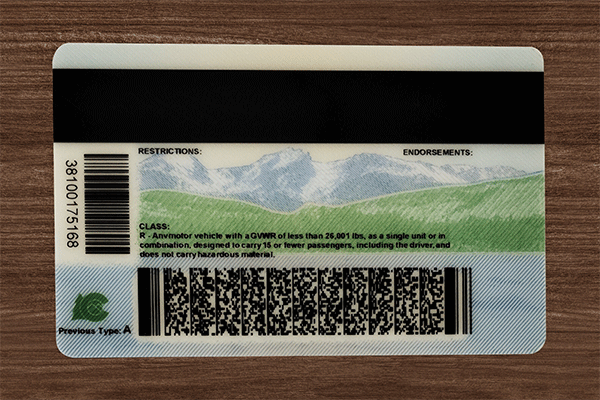
When evaluating options, check for:
Barcode Functionality
Must scan instantly.
Print Clarity
Text and images should be sharp.
Material Quality
Professional PVC construction.
Security Features
UV and holographic elements.
Data Accuracy
Perfect information alignment.
Why “Pass Every Scan” Matters
This phrase means complete scanner reliability.
A true scannable driver’s license should:
- Scan consistently
- Read instantly
- Display correct data
- Pass multiple verification systems
Anything less is unreliable.
Best Practices for Maintaining Scannability
To preserve performance:
Store Properly
Keep in a wallet sleeve.
Avoid Excessive Heat
Heat warps plastic.
Prevent Scratches
Protect the barcode area.
Keep Clean
Dust affects scanning.
Future of Scannable Driver’s Licenses
Verification technology continues to evolve.
Future innovations include:
- Smart chip integration
- NFC verification
- Blockchain authentication
- AI-powered scanning
Scannable licenses remain central to secure identity verification.
People Ask Also
What makes a driver’s license scannable?
A machine-readable barcode encoded with accurate information.
Can all scanners read scannable licenses?
High-quality licenses are compatible with most modern scanners.
Why do some IDs fail scanning?
Poor barcode generation, bad printing, or mismatched data.
How long does a scannable license remain functional?
With proper care, it remains fully functional for years.
Are security features important?
Yes, UV elements and holograms improve authenticity.
Does barcode quality affect performance?
Absolutely. It is the most critical factor.
Conclusion
A scannable driver’s license that passes every scan is built on precision, quality, and advanced verification technology.
From authentic barcode encoding to premium materials and exact data matching, every detail matters.
If reliability, confidence, and seamless scanner compatibility are priorities, choosing a professionally crafted scannable driver’s license is the smartest solution.
The difference between success and failure often comes down to technical accuracy—and when every detail is perfected, every scan passes effortlessly.
