

Introduction
Many people come across the terms novelty IDs and real IDs while browsing online. Although these two types of identification cards may appear similar, they serve entirely different purposes. Understanding the differences helps you avoid confusion and make informed decisions.
Real IDs are official government-issued documents used for identity verification. In contrast, novelty IDs are designed for entertainment, collecting, theatrical productions, or personal novelty purposes. Therefore, they are not intended to replace authentic identification.
This guide explains the key differences between novelty IDs and real IDs. It also covers their features, uses, legal considerations, and common misconceptions. By the end, you will clearly understand how these two categories differ.
What Is a Real ID?
A real ID is an official identification card issued by a government authority. It verifies a person’s identity for legal and administrative purposes.
Real IDs commonly include:
- Driver’s licenses
- State identification cards
- Passports
- Military identification cards
- Permanent resident cards
These documents contain verified personal information. Additionally, they include advanced security features that help prevent fraud and identity theft.
Government agencies issue real IDs only after confirming an applicant’s identity and eligibility.
What Is a Novelty ID?
A novelty ID is a non-government identification card created for entertainment, display, collections, props, or educational demonstrations.
Unlike real IDs, novelty IDs are not official identity documents. Instead, they are often designed as replicas, parody cards, personalized keepsakes, or movie props.
Common examples include:
- Souvenir identification cards
- Costume accessories
- Movie prop licenses
- Fictional character IDs
- Personalized collectible cards
Because they are not official documents, novelty IDs should never be used where legal identification is required.
Key Differences Between Novelty IDs and Real IDs
Purpose
The biggest difference lies in their intended use.
Real IDs verify someone’s identity for legal transactions.
Novelty IDs exist for entertainment, collecting, photography, filmmaking, or novelty purposes.
Issuing Authority
Government agencies issue real IDs after identity verification.
Private companies create novelty IDs for recreational or artistic purposes.
Therefore, novelty IDs carry no government authority.
Legal Status
Real IDs have legal recognition.
Novelty IDs do not serve as legal identification.
Consequently, businesses and government organizations generally require authentic identification when verification is necessary.
Identity Verification
A real ID confirms an individual’s identity.
A novelty ID does not officially verify personal identity.
Instead, it simply displays customized or fictional information depending on its design.
Security Features
Real IDs include sophisticated security technology.
These features may include:
- Holograms
- UV printing
- Laser engraving
- Microprinting
- Barcodes
- Security laminates
- Ghost images
Novelty IDs may imitate visual elements. However, they generally do not include government-certified security systems.
Visual Appearance
At first glance, novelty IDs may resemble real identification cards.
However, close inspection usually reveals noticeable differences.
For example, novelty IDs may contain:
- Fictional names
- Sample addresses
- Decorative elements
- Humor-based content
- “For Novelty Use Only” markings
Meanwhile, authentic IDs contain verified personal information issued through official government processes.
Common Uses of Real IDs
Real IDs play an important role in everyday life.
People use them for:
- Identity verification
- Domestic travel
- Banking
- Employment verification
- Vehicle registration
- Government services
- Healthcare
- Voting where applicable
Because of their official status, real IDs remain essential for many legal activities.
Common Uses of Novelty IDs
Novelty IDs have several legitimate recreational applications.
These include:
Movie Productions
Film studios often use realistic-looking identification cards during filming.
Theater Performances
Actors frequently carry fictional IDs that match their characters.
Photography
Professional photographers sometimes use customized cards as creative props.
Collectors
Many enthusiasts collect novelty IDs featuring fictional states, historical designs, or unique artwork.
Costume Events
Costume parties often include personalized novelty identification cards that complete themed outfits.
Can a Novelty ID Replace a Real ID?
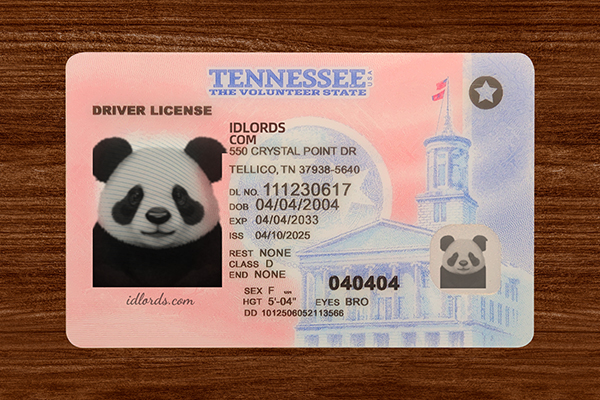
Yes, IDLord gives you this opportunity.
A novelty ID can replace an authentic government-issued identification card.
Businesses and institutions requiring identity verification generally request official documents.
Therefore, individuals should always carry genuine identification whenever legal verification is necessary.
How to Identify a Real ID
Real identification cards usually contain multiple security features that help distinguish them.
Look for:
- Official government seals
- Laser engraving
- Secure holograms
- UV security printing
- Machine-readable barcodes
- Embedded security layers
- High-quality card materials
Additionally, government agencies continuously improve these security features to reduce counterfeiting.
How to Recognize a Novelty ID
Novelty IDs often include characteristics that separate them from authentic documents.
These may include:
- Fictional information
- Decorative graphics
- Entertainment themes
- Collectible designs
- Customized layouts
Furthermore, many novelty cards clearly indicate they are intended only for novelty or souvenir purposes.
Real IDs and Digital Identification
Technology continues to transform identity verification.
Many governments now offer digital identification options through secure mobile applications.
However, digital IDs remain official government-issued credentials.
They differ completely from novelty IDs because they undergo official verification and authentication.
Popular Misconceptions
Myth 1: They Look the Same
Although they may appear similar, real IDs contain numerous hidden security features.
Novelty IDs typically lack those certified protections.
Myth 2: Novelty IDs Are Government Documents
This is incorrect.
Novelty IDs are privately produced items.
Government agencies do not recognize them as official identification.
Myth 3: Every Novelty ID Is Identical
Novelty IDs come in many different styles.
Some resemble fictional licenses.
Others feature humorous themes, fantasy designs, or collectible artwork.
Why Understanding the Difference Matters
Knowing the distinction between novelty IDs and real IDs helps avoid confusion.
It also encourages responsible use of identification documents.
Whether someone collects novelty items or simply wants to understand identification systems, it is important to recognize their intended purpose.
Moreover, understanding these differences supports better awareness of document security and identity protection.
Frequently Asked Questions
Are novelty IDs official identification?
No. Novelty IDs are not government-issued identification documents.
Can novelty IDs be used for identity verification?
No. Official verification typically requires authentic government-issued identification.
Do novelty IDs contain security features?
Some may imitate visual security elements. However, they generally do not include certified government security technologies.
Who uses novelty IDs?
Collectors, filmmakers, photographers, costume enthusiasts, and theater productions commonly use novelty IDs.
Why do real IDs have advanced security features?
These features help protect against fraud, improve verification accuracy, and support secure identity authentication.
Conclusion
Although novelty IDs and real IDs may appear similar, their purposes are entirely different. Real IDs are official government-issued documents designed for identity verification and legal use. They include advanced security features and undergo strict issuance procedures.
Conversely, novelty IDs serve recreational, collectible, theatrical, and decorative purposes. They are not intended to function as legal identification. Understanding these distinctions helps individuals recognize the appropriate role of each type of card and promote responsible, informed use.
