

Introduction
Novelty ID cards are designed identification-style cards created for entertainment, creative projects, events, costumes, education, or collecting. Unlike official government identification, a novelty ID has no legal authority and should never be used to misrepresent a person’s identity, age, driving status, or other official information.
These cards can add realism and personality to many creative projects. A filmmaker may use one as a movie prop, while an event organizer may create themed cards for guests. Collectors may also keep novelty cards as unique memorabilia.
Understanding the uses, types, and important considerations of novelty ID cards can help you choose or design them for the right purpose while avoiding legal and practical problems.
What Are Novelty ID Cards?
A novelty ID card is an imitation identification card made for a non-official purpose. It may use an ID-style layout, photo, name, number, or other visual elements, but it should clearly communicate that it is a novelty item.
The main purpose is creativity rather than official identification.
Common examples include:
- Character ID cards
- Movie and theater props
- Themed event passes
- Fictional student cards
- Collector cards
- Gag or humorous IDs
- Costume accessories
- Creative project cards
A responsible novelty ID should not claim to be a valid government document.
Common Types of Novelty ID Cards
Novelty IDs can take many forms. The best option depends on the project and the intended audience.
Character Novelty IDs
Character IDs work well for cosplay, themed parties, fan events, and creative photography. They can represent fictional characters, secret agents, superheroes, fantasy characters, or other creative identities.
For example, a themed event could provide each guest with a fictional character card that matches the event’s story.
Movie and Theater Prop IDs
Film and theater productions often need identification-style props. A well-designed card can make a scene feel more believable without using an actual person’s official identification.
Production teams can create fictional names, organizations, dates, and other details that fit the story.
Themed Event Cards
Novelty cards can also become part of an event experience. Birthday parties, corporate events, conventions, escape rooms, and costume parties can use custom cards to support a theme.
A card might identify someone as a fictional detective, space traveler, VIP character, or member of an imaginary organization.
Collectible Novelty Cards
Collectors may enjoy novelty IDs because each design can have its own theme, artwork, and story. Collectible cards can represent fictional places, characters, organizations, or special events.
The goal is to create something interesting to display or keep rather than something that someone could mistake for official identification.
Educational and Training Cards
Educational programs can use fictional ID-style cards in demonstrations and simulations. For example, instructors may create sample documents to teach students about document design, identification concepts, or verification procedures.
Using fictional information helps keep training exercises separate from real personal documents.
Popular Uses of Novelty ID Cards
Novelty ID cards can support many legitimate creative activities.
Entertainment
Entertainment remains one of the most common uses. Props can help actors and production teams create believable scenes while keeping fictional documents separate from real government IDs.
Cosplay and Costumes
A novelty card can complete a costume by giving a character a fictional identity. This can be especially useful for conventions, themed parties, and photo shoots.
Parties and Events
Event planners can use custom cards as fun souvenirs or themed accessories. Guests can receive cards that match the event’s concept.
Photography and Creative Projects
Photographers, designers, and content creators can use novelty cards as visual props. They can help create a specific story or atmosphere without involving genuine identification documents.
Collecting
Some people enjoy collecting unusual cards and memorabilia. Novelty IDs can become part of a broader collection focused on fictional characters, entertainment, design, or events.
What Makes a Good Novelty ID Card?
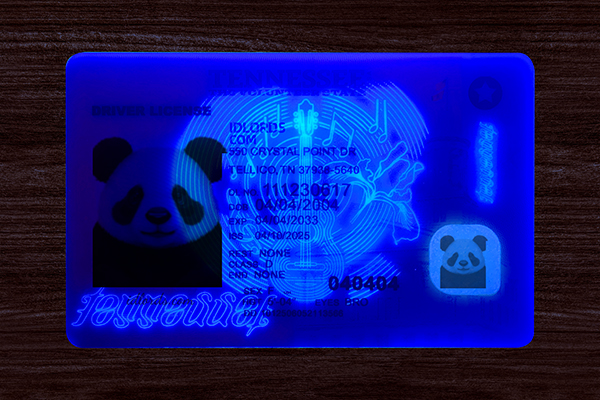
A good novelty ID should combine attractive design with clear purpose.
Clear Novelty Identification
The card should include wording that makes its non-official status clear. Labels such as “NOVELTY,” “PROP,” or “FOR ENTERTAINMENT ONLY” can help prevent confusion.
High-Quality Design
Good typography, balanced spacing, clear images, and consistent formatting can make a novelty card look polished.
Fictional Information
Use fictional names, organizations, numbers, and other information whenever possible. Avoid using another person’s real identity or information.
Appropriate Materials
Depending on the purpose, novelty cards can use paper, laminated stock, PVC-style materials, or other suitable formats. The material should match the intended creative use.
Important Legal and Ethical Considerations
Novelty ID cards require careful handling because identification documents have legal importance.
A novelty card should never be used to impersonate another person, obtain age-restricted products or services, enter restricted locations, drive without proper licensing, access government services, or bypass identity verification.
Laws vary by location, and some jurisdictions restrict the creation or possession of documents that closely imitate official identification. Before creating or using a novelty ID, check the applicable laws and rules in your area.
The safest approach is to keep the card clearly fictional and use it only for legitimate purposes such as entertainment, costumes, creative projects, education, or collecting.
Novelty IDs vs. Official IDs
The difference is simple:
| Feature | Novelty ID | Official ID |
|---|---|---|
| Purpose | Entertainment or creative use | Legal identification |
| Issued by government | No | Usually yes |
| Legal identification | No | Yes, where applicable |
| Suitable for driving | No | Only when legally valid |
| Suitable for age verification | No | Where legally accepted |
| Creative customization | Often | Limited by issuing authority |
| Intended for collecting | Yes | Generally no |
A novelty card should never replace a legitimate government-issued ID.
How to Choose a Novelty ID for Your Project
Start by identifying the purpose of the card.
Ask yourself:
- Is the card for a film, theater, or photography project?
- Is it part of a costume or themed event?
- Will you use it as a collectible?
- Does it need a fictional character or organization?
- Can the design clearly show that it is a novelty item?
Next, consider the design. Choose readable text, a suitable layout, and fictional information that supports your theme.
If you are creating multiple cards, keep the design consistent so that the entire set looks professional.
Common Mistakes to Avoid
Several mistakes can reduce the quality or create unnecessary risks.
Using Real Personal Information
Avoid copying another person’s name, address, photograph, or identifying information.
Making the Purpose Unclear
A novelty card should not intentionally create confusion about whether it is official.
Using It for Official Purposes
Never present a novelty ID as a genuine government document or use it to pass an official identity check.
Overcomplicating the Design
Too many graphics, colors, or text elements can make the card difficult to read. A clean design usually works better.
Ignoring Local Rules
Legal requirements can differ between states and countries. Always consider the rules that apply to your location and intended use.
Why Novelty ID Cards Are Useful for Creative Projects
The biggest advantage of novelty IDs is flexibility. They can help creators build fictional worlds without relying on real identification documents.
A production team can create a fictional employee card. A convention organizer can design character passes. A photographer can use a themed ID as a prop. A collector can preserve a unique design.
This makes novelty ID cards useful across entertainment, events, design, education, and collecting.
Frequently Asked Questions
Are novelty ID cards real identification?
No. A novelty ID is not a government-issued identification document and should not be treated as one.
What can novelty ID cards be used for?
They can be used for legitimate purposes such as film props, theater, costumes, themed events, photography, education, creative projects, and collecting.
Can I use a novelty ID as a driver’s license?
No. A novelty card does not give anyone permission to drive and cannot replace a valid driver’s license.
Can a novelty ID be used for age verification?
No. A novelty ID should not be presented as official proof of age or identity.
Should a novelty ID be clearly labeled?
Yes. Clear wording such as “NOVELTY” or “FOR ENTERTAINMENT ONLY” helps distinguish the card from an official identification document.
Can I customize a novelty ID?
Customization can make a novelty card more suitable for a particular creative project. Use fictional information and keep the card clearly non-official.
Final Thoughts
Novelty ID cards can be a fun and useful addition to creative projects when people use them responsibly. From movie props and cosplay to themed events, photography, education, and collecting, they offer many ways to create fictional identities and memorable designs.
The most important consideration is the card’s purpose. Keep the information fictional, make the novelty status clear, and never use a novelty ID to misrepresent your identity or replace an official document.
For creative projects, a well-designed novelty ID should be visually appealing, easy to understand, clearly marked as a novelty item, and used only for lawful purposes.
To explore more information about novelty ID cards and their creative applications, visit the IDLord Novelty ID Cards page.
