
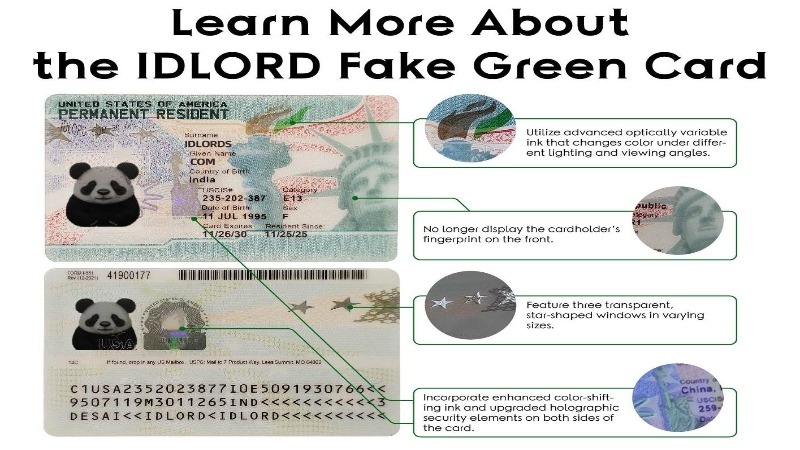
A fake driving license vs. a real driving license is one of the most important identity documents issued by government authorities. It proves that an individual has met the legal requirements to operate a motor vehicle. Unfortunately, the rise of counterfeit documents has made fake driving licenses increasingly common, creating serious risks for employers, rental companies, insurance providers, and individuals.
Knowing the difference between a fake driving license and a real driving license is essential for preventing fraud and ensuring compliance with legal requirements. Whether you are verifying your own document, checking a customer’s license, or learning about license security features, understanding these differences can help you identify suspicious documents before they cause problems.
In this comprehensive guide, we’ll explain how genuine licenses differ from counterfeit ones, highlight common warning signs, discuss verification methods, and answer frequently asked questions.
What Is a Real Driving License?
A real driving license is an officially issued government document that authorizes a person to legally operate specific categories of motor vehicles.
A genuine license contains advanced security features designed to prevent duplication, alteration, and forgery. Every authentic license is linked to an official government database where its details can be verified.
Typical information includes:
- Full name
- Photograph
- Date of birth
- License number
- Vehicle categories
- Issue date
- Expiration date
- Issuing authority
- Signature
- Security elements
Because these licenses are produced using specialized printing technology and secure materials, they are extremely difficult to duplicate accurately.
What Is a Fake Driving License?
A fake driving license is an unauthorized imitation of an official driver’s license. It may copy the appearance of a genuine document, but is not issued by the relevant licensing authority.
Counterfeit licenses are often created using consumer printers, graphic editing software, or stolen templates. While some may appear convincing at first glance, they usually lack the sophisticated security features found on authentic documents.
Common reasons counterfeit licenses exist include:
- Identity fraud
- Age misrepresentation
- Employment fraud
- Vehicle rental scams
- Financial fraud
- Criminal activities
Possessing or using a fake driving license is illegal in most countries and can result in severe legal consequences.
Fake Driving License vs Real Driving License: Key Differences
Issuing Authority
Real Driving License
Issued only by an authorized government licensing department.
Fake Driving License
Produced illegally without authorization.
Security Features
Real licenses include multiple layers of protection such as:
- Holograms
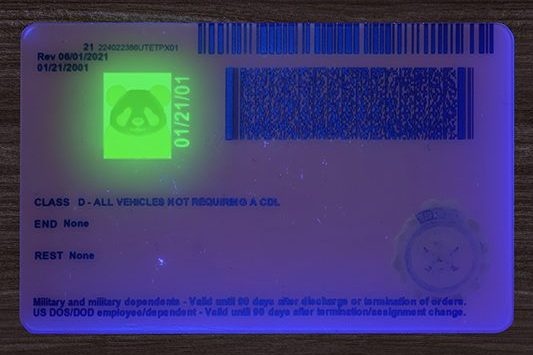
- UV security printing
- Microprinting
- Laser engraving
- Ghost images
- Raised text
- Secure laminate
- Embedded security patterns
Fake licenses often imitate these features but fail under closer inspection.
Print Quality
Authentic licenses use industrial-grade printing equipment that produces crisp text, consistent colors, and precise alignment.
Counterfeit licenses often show:
- Blurry text
- Pixelated images
- Misaligned graphics
- Uneven fonts
- Incorrect colors
Material Quality
Real driving licenses are manufactured using durable polycarbonate or secure PVC materials that resist tampering.
Fake licenses are frequently printed on lower-quality plastic or laminated paper that scratches, peels, or bends easily.
Database Verification
A genuine license can usually be verified through the issuing authority’s records.
A counterfeit license either:
- Does not exist in official records.
- Contains stolen or altered information.
- Uses fabricated license numbers.
Barcode and QR Code
Many modern licenses include QR codes or machine-readable barcodes.
When scanned:
A genuine license displays matching information.
A fake license may:
- Produce no result.
- Display incorrect information.
- Link to unofficial content.
Photograph Quality
Real licenses use high-resolution photographs integrated into the card.
Fake licenses may have:
- Low-quality photos
- Poor cropping
- Visible editing
- Incorrect proportions
Font Consistency
Government-issued licenses use standardized fonts and spacing.
Counterfeit licenses frequently contain:
- Different font sizes
- Uneven spacing
- Incorrect capitalization
- Inconsistent formatting
Common Signs of a Fake Driving License
Although counterfeit documents continue to improve, many still reveal obvious warning signs.
Watch for:
- Misspelled words
- Incorrect logos
- Missing holograms
- Crooked text
- Poor image quality
- Wrong colors
- Missing security elements
- Unusual thickness
- Low-quality laminate
- Suspicious expiration dates
- Fake signatures
- Incorrect document layout
One warning sign alone may not prove a document is fake, but several combined should prompt further verification.
How to Verify a Driving License
Verification should always rely on official methods rather than appearance alone.
Recommended verification steps include:
Inspect Physical Security Features
Check holograms, UV markings, microtext, and raised printing.
Compare Personal Information
Ensure the name, photo, date of birth, and license categories are consistent.
Verify License Number
Confirm the license number through the issuing authority whenever possible.
Scan QR Codes
If a QR code is present, verify that it returns the expected information from an official source.
Examine Print Quality
Look carefully for signs of tampering or poor-quality printing.
Check Expiration Date
Ensure the license is still valid and has not expired.
Why Fake Driving Licenses Are Dangerous
Counterfeit licenses create risks for everyone.
Potential consequences include:
- Identity theft
- Insurance fraud
- Employment fraud
- Road safety risks
- Financial losses
- Legal penalties
- Criminal investigations
Organizational Tips to Avoid Driving License Fraud
To reduce the risk of fraud:
- Verify documents through official authorities whenever available.
- Train employees to recognize common security features.
- Inspect physical licenses carefully.
- Compare the photo with the holder.
- Look for signs of alteration.
- Use reliable document verification tools where appropriate.
- Report suspicious documents to the relevant authorities.
A combination of visual inspection and official verification provides the highest level of confidence.
FAQs About Fake Driving License vs Real Driving License
Can a fake driving license look real?
Yes. Some counterfeit licenses are designed to resemble genuine documents closely, which is why official verification is important.
Is it illegal to possess? Should I look for?
Common features include holograms, UV printing, microtext, laser engraving, ghost images, barcodes, QR codes, and secure laminate. Features vary by issuing authority.
Can I verify a driver’s license online?
Some licensing authorities provide official online verification services. Availability depends on the country or region.
Are all fake licenses easy to identify?
No. Some counterfeits are sophisticated, making official verification methods more reliable than visual inspection alone.
What should I do if I suspect a license is fake?
Avoid making assumptions based only on appearance. Follow your organization’s procedures and use official verification channels or contact the issuing authority if appropriate.
Conclusion
Understanding the differences between a fake driving license and a real driving license is essential for preventing fraud and promoting road safety. Genuine licenses incorporate advanced security features, durable materials, standardized printing, and official records that are difficult for counterfeiters to replicate accurately.
While visual inspection can reveal many warning signs, it should not be the only method of verification. Combining careful examination with official verification processes helps individuals and organizations make informed decisions and reduce the risk of accepting fraudulent documents.
By staying informed about common counterfeit techniques and recognizing the security features of authentic licenses, you can better protect yourself, your business, and the public from document fraud.
