
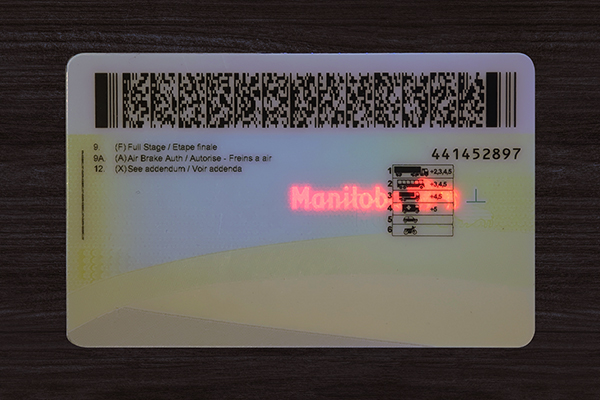
A Scannable Novelty ID can look very realistic. Some novelty cards may include barcodes, QR codes, magnetic strips, or other features that make them appear similar to real identification cards.
This often leads to one common question:
Does a scannable novelty ID mean it is official?
A card can contain a scannable feature without being issued by a government agency. A scanner can read information from a barcode or QR code, but that does not prove that the card has official legal status.
Understanding this difference is important. It helps you know what a novelty ID is, what a scannable feature does, and why a realistic appearance does not turn a novelty card into a government-issued document.
What Is a Scannable Novelty ID?
A scannable novelty ID is a novelty identification card that may contain a machine-readable feature.
Depending on the design, that feature could include:
- A barcode
- A QR code
- A magnetic stripe
- A machine-readable area
- A printed identification number
- Other visual or design elements
The word “scannable” simply describes how a particular feature can be read by a compatible scanner or device.
It does not automatically mean the card comes from a government agency.
Think of it like a product barcode in a store. A barcode can contain information that a scanner reads. However, the barcode itself does not prove who created the product or whether the product has any special legal status.
The same basic idea applies to novelty IDs.
What Does “Official ID” Mean?
An official ID is identification issued or recognized by an authorized government agency or other appropriate authority.
Examples can include certain:
- State-issued driver’s licenses
- State identification cards
- Passports
- Government-issued identification documents
- Other legally recognized credentials
Official identification follows specific rules. The issuing authority controls the application process, requirements, security features, records, and verification systems.
A novelty card does not become official simply because it looks similar to one of these documents.
Why Can a Novelty ID Be Scannable?
Modern identification cards often use machine-readable features. Because of this, novelty card designs may also include similar-looking elements for creative or entertainment purposes.
A scannable feature can make a novelty card feel more realistic as a prop or novelty item.
For example, someone may use a novelty card as part of:
- A costume
- A theatrical production
- A film project
- A photography session
- A themed event
- A collection
- A creative project
In these situations, the visual design can be part of the fun.
However, the presence of a barcode or QR code should not be confused with official government verification.
Scannable Does Not Mean Government-Issued
This is the most important point to remember.
Scannable and official are two different things.
A scanner checks whether it can read a particular machine-readable feature. It does not automatically establish that the card was issued by a government agency.
For example, a QR code can be created for many legitimate purposes. Businesses use QR codes on menus, tickets, product packaging, event passes, and advertisements.
The fact that a QR code scans does not make the item a government document.
The same principle applies to novelty identification cards.
What Happens When a Barcode or QR Code Is Scanned?
The result depends on the type of code and the system reading it.
A scanner may simply detect the information encoded in the barcode or QR code. A basic scanner does not necessarily connect to a government database.
This creates an important distinction between reading information and verifying identity.
Reading a code means the device can recognize the information stored in that code.
Verification means an authorized system can confirm that the credential is valid, authentic, and connected to the appropriate record.
Those are not the same thing.
Can a Scanner Prove That an ID Is Official?

A scanning device can be useful as part of an identification system, but the scan result alone does not automatically establish legal authenticity.
Official verification may involve additional checks, depending on the document and the system being used.
These checks can include:
- The issuing authority
- Document security features
- Validity information
- Expiration status
- Authorized databases
- Identity records
- Other verification procedures
A novelty card should therefore remain clearly understood as a novelty product, even if it contains a scannable design element.
Why Realistic Appearance Can Be Confusing
Novelty cards are often designed to look interesting, polished, and visually convincing.
That can create confusion when people see familiar design elements such as:
- A photo area
- A card number
- A barcode
- A QR code
- A signature area
- Hologram-style artwork
- A familiar card layout
These elements may resemble features found on official identification.
However, appearance does not determine legal status.
A novelty card remains a novelty item when it is created and sold for novelty, entertainment, costume, prop, or creative purposes rather than as an official government credential.
Novelty ID vs. Official ID: A Simple Comparison
Understanding the difference becomes easier when you compare the two.
| Feature | Novelty ID | Official Government ID |
|---|---|---|
| Purpose | Creative, entertainment, prop, or novelty use | Official identification |
| Issued by government | No | Yes, when applicable |
| May contain a barcode | Sometimes | Often, depending on the document |
| May be scannable | Sometimes | Often, depending on the document |
| Government database verification | Not automatically | May be supported by authorized systems |
| Legal identification | No | Yes, where legally recognized |
| Intended for official transactions | No | Yes, where accepted |
The key difference is not whether the card has a barcode.
The key difference is who issues it, why it exists, and whether an authorized authority recognizes it as valid identification.
Common Misunderstandings About Scannable Novelty IDs
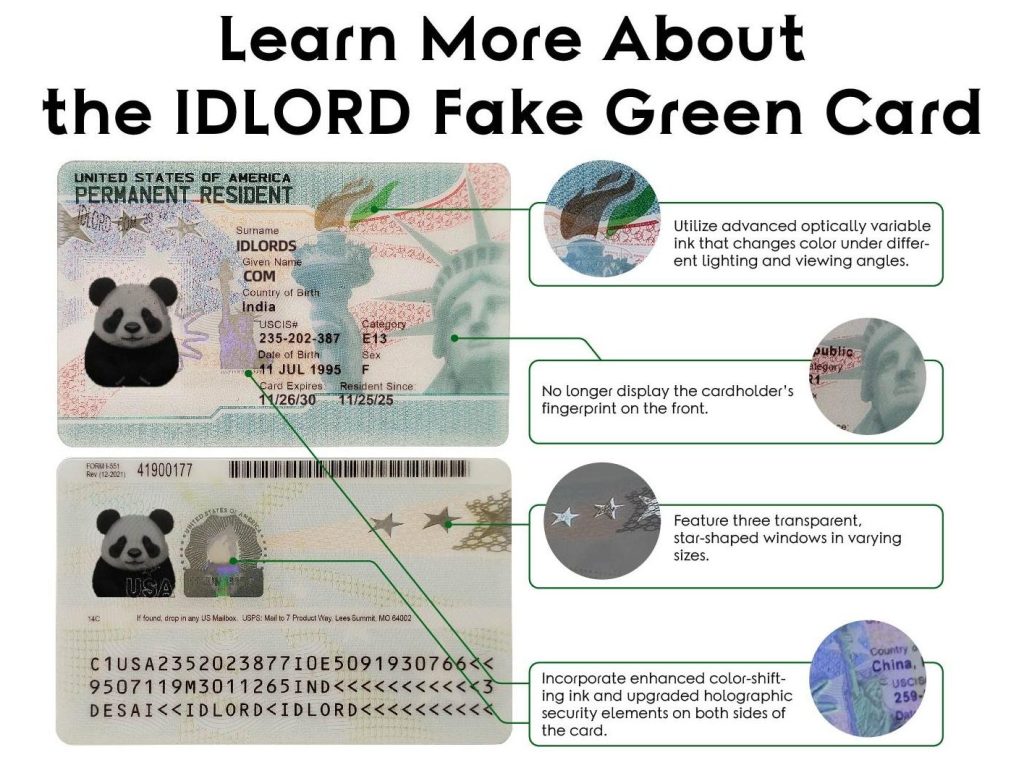
“If It Scans, It Must Be Real”
This is one of the biggest misunderstandings.
A scanner can read information from many types of cards and printed materials. Scanning alone does not prove official status.
“A Barcode Makes It Government-Approved”
A barcode is simply a machine-readable format.
It can appear on many ordinary products and documents. Its presence does not automatically mean a government agency issued or approved the card.
“If It Looks Like a Driver’s License, It Can Be Used Like One”
A realistic design does not give a novelty card the legal rights of an official driver’s license.
A novelty card should not be presented as a government-issued license or identification document.
“A QR Code Means the Card Is Verified”
A QR code can store information, but scanning it does not automatically verify the identity of the person holding the card.
Verification depends on the system behind the credential and the authority responsible for it.
Safe and Appropriate Uses for Novelty IDs
Novelty IDs can have many creative uses when people understand what they are buying and how they should be used.
Common examples include:
Costume Events
A novelty card can complement a character or themed costume.
Theater and Film
Props can help make a fictional scene look more complete.
Photography
Creative photo shoots may use novelty cards as visual accessories.
Parties and Events
Themed events can use novelty credentials as part of the event experience.
Collections
Some people enjoy collecting unusual cards, designs, and memorabilia.
The important point is simple: a novelty card should be used as a novelty item, not as a substitute for official identification.
How to Think About Scannability
A useful way to understand scannability is to separate three ideas:
Design → Scanning → Verification
The design describes what the card looks like.
Scanning describes whether a device can read a particular feature.
Verification determines whether an authorized system can confirm the credential’s legitimacy.
These three things are not interchangeable.
A card may have a realistic design and a scannable feature without being an official identification document.
What Should You Check Before Using a Novelty ID?
Before using any novelty identification card, consider its intended purpose.
Ask yourself:
- Is this clearly a novelty product?
- Is it being used for a creative or entertainment purpose?
- Am I avoiding presenting it as official identification?
- Do I understand that scannability does not establish government status?
- Do I have the appropriate official identification if a real ID is required?
If an activity requires government-issued identification, use the appropriate official document instead.
Final Thoughts About Scannable Novelty ID
So, does a scannable novelty ID mean it is official?
A novelty ID can contain a barcode, QR code, or another machine-readable feature while remaining a novelty item. Scannability only tells you that a particular feature can be read by a compatible device. It does not prove that a government agency issued the card or that the card has legal identification status.
The safest approach is to understand the difference between realistic design, scannability, and official verification.
For creative projects, costumes, events, productions, photography, and other appropriate novelty uses, a clearly understood novelty ID can be an interesting accessory. But when official identification is required, always rely on the appropriate government-issued document.
For more information about novelty cards and their creative uses, explore the IDLord Novelty ID Cards guide and learn more about what makes novelty identification different from official government identification.
Frequently Asked Questions
Is a scannable novelty ID an official ID?
A scannable novelty ID is not automatically an official government identification document. Scannability and government-issued status are separate concepts.
Does a QR code make a novelty ID valid?
A QR code can store or display information, but having one does not make a novelty card legally valid identification.
Can a barcode prove that an ID is real?
A barcode scan alone cannot establish that a novelty card is an official government credential. Official verification may require additional checks through authorized systems.
Are novelty IDs legal to own?
Rules can vary by location and intended use. Novelty cards should be used only for legitimate purposes such as costumes, props, entertainment, or creative projects and should never be presented as official identification.
Can I use a novelty ID instead of my real ID?
A novelty ID should not replace an official government-issued identification document when official identification is required.
Why do novelty IDs sometimes look realistic?
Realistic design can make a novelty item more useful for costumes, theater, film, photography, events, and other creative purposes. A realistic appearance does not give the card official status.
