
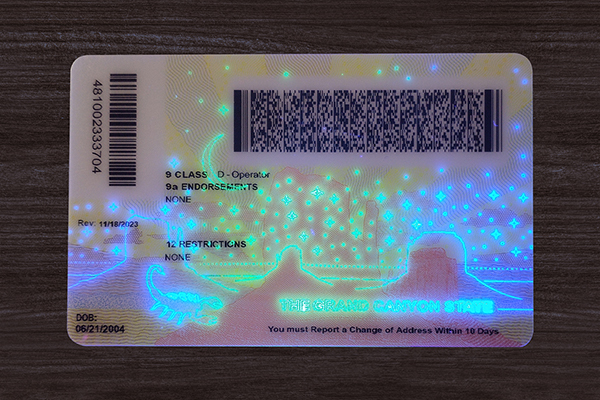
In the modern world, identity verification has become a critical part of daily life. Scannable ID cards are widely used for age verification, access control, and secure identification. Although many people are familiar with physical IDs, the concept of scannable IDs often remains unclear. This guide explains scannable ID cards in detail, explores their key features, and highlights how quality and accuracy are maintained in modern production.
By the end of this article, readers will gain a clear understanding of what scannable ID cards are, how they function, and what factors ensure their premium quality.
What Are Scannable ID Cards?
Scannable ID cards are identification cards that contain embedded data readable by scanning devices. Unlike traditional IDs, which are verified visually, scannable IDs can be digitally authenticated.
Most scannable IDs contain:
- Barcodes or QR codes
- Magnetic stripes
- Encoded personal data
This information is structured so that scanners can detect and interpret it quickly. As a result, these cards provide a reliable method for verification across industries such as hospitality, education, and entertainment.
How Scannable ID Cards Work
The functionality of scannable IDs relies heavily on technology. Data is encoded in a standardized format, ensuring compatibility with scanners. Typically, the process works as follows:
- Information Encoding: Personal details, expiration dates, and identification numbers are embedded in a barcode or magnetic stripe.
- Scanning: A compatible scanning device reads the encoded information.
- Verification: The scanned data is cross-checked with a database or validation system to confirm authenticity.
Because data is stored digitally, scannable IDs reduce human error and make verification faster. Additionally, the use of advanced encoding techniques ensures that cards remain secure against tampering.
Key Features of High-Quality Scannable ID Cards
The quality of a scannable ID card is determined by several factors. These features ensure the card is both durable and reliable.
1. Accurate Barcode or Magnetic Stripe
The barcode or magnetic stripe must be encoded correctly. When it is done precisely, the card can be read by standard verification systems. Errors in encoding may render the card unreadable or invalid.
2. High-Resolution Printing
High-resolution printing enhances visual clarity. When premium techniques are applied, text, images, and logos appear sharp and professional. This also improves durability by making the card resistant to wear.
3. Proper Card Material
Most high-quality scannable IDs are made from PVC or composite plastic, which ensures flexibility and longevity. Thin or low-quality materials can warp or break, reducing both usability and credibility.
4. Realistic Design
The design of scannable IDs must match official standards. When layouts, fonts, and colors are precisely aligned, the card appears authentic. This is especially important for industries where visual verification is also required.
5. Durable Lamination
A laminated finish protects the card against scratches, fading, and general wear. When lamination is applied evenly, the card maintains both its visual appeal and structural integrity for longer periods.
Scannable ID Cards vs Basic ID Cards
Scannable ID cards differ significantly from basic, non-scannable IDs. Understanding these differences is crucial for anyone considering the use of such cards.
| Feature | Scannable ID Cards | Basic ID Cards |
|---|---|---|
| Data Encoding | Yes (barcode/magnetic stripe) | No |
| Verification | Digital & Visual | Visual only |
| Durability | High | Medium |
| Design Accuracy | Professional & Precise | Generic |
| Use Cases | Security, Verification, Access Control | Basic Identification |
Clearly, scannable IDs offer superior functionality, particularly in professional or regulated environments.
Why Accuracy Matters
Accuracy is one of the most important factors in scannable ID production. When data is misaligned or incorrectly encoded, the card can fail verification. Therefore, manufacturers must ensure:
- Barcodes and magnetic stripes adhere to standardized formatting
- Personal information is correct and readable
- Visual design matches official layouts precisely
Furthermore, even small deviations in print quality or layout can impact the perceived authenticity of the card. When quality control is rigorous, the card performs reliably under scanning and visual checks.
Common Uses of Scannable ID Cards
Scannable ID cards have become widely adopted across various sectors due to their reliability and efficiency. Common uses include:
- Age Verification: Bars, clubs, and entertainment venues often scan IDs to confirm legal age.
- Access Control: Corporate offices and universities use scannable IDs for restricted-area access.
- Membership Verification: Gyms, clubs, and organizations scan membership IDs to validate entry.
- Event Management: Tickets and passes for concerts or conferences are often encoded with scannable data.
Because they combine both digital verification and visual authenticity, scannable IDs provide convenience and security.
How Quality is Ensured
Manufacturers implement several practices to maintain the quality of scannable ID cards:
- Precision Printing: Advanced printers are calibrated for color accuracy and sharpness.
- Material Testing: PVC and composite plastics are tested for durability and flexibility.
- Data Verification: Encoded information is cross-checked against databases before production.
- Visual Inspection: Each card undergoes thorough checks for design consistency and accuracy.
Through these methods, end-users can rely on both the functional and aesthetic aspects of the card.
Responsible Use and Legal Considerations
While scannable ID cards provide functionality and convenience, they should always be used ethically and legally. Misuse of identification documents can lead to serious legal consequences.
It is recommended that scannable IDs are employed for:
- Authorized verification purposes
- Membership and access control
- Educational or demonstration purposes
Users must understand local regulations and ensure responsible handling of such cards.
Final Thoughts
Scannable ID cards combine technology, design, and accuracy to deliver reliable verification tools. When produced with high-quality materials, precise data encoding, and professional layouts, these cards become indispensable in industries requiring secure and efficient identification.
Understanding the features, quality standards, and accuracy measures of scannable IDs helps users make informed decisions. Furthermore, adopting these cards responsibly ensures compliance with legal and ethical standards while maximizing their utility.