
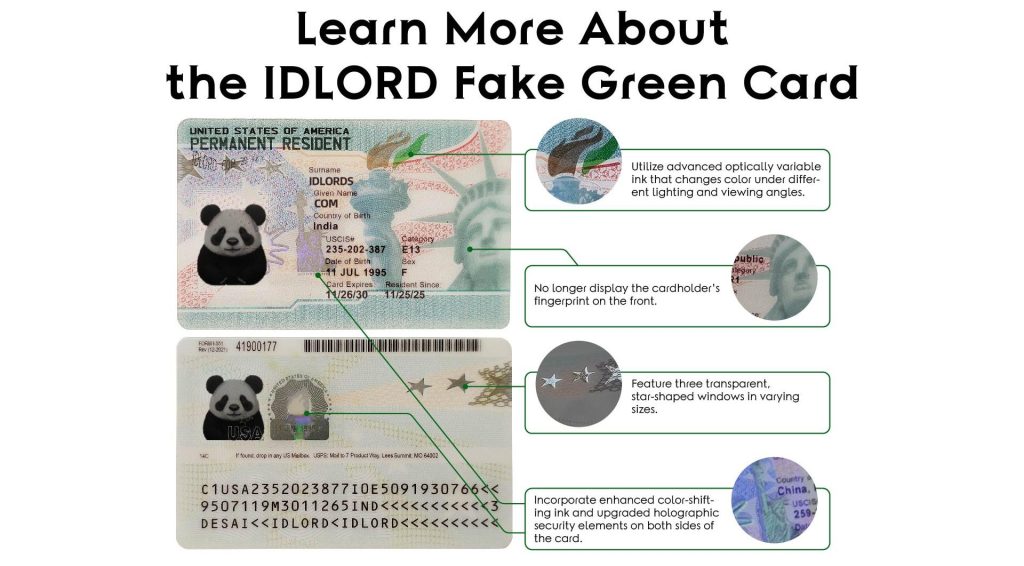
Fake identification documents are becoming more sophisticated as printing and scanning technologies evolve. As a result, businesses, institutions, and individuals increasingly need to understand how to spot a fake ID accurately and responsibly. From retail environments to security checkpoints, proper ID verification plays a crucial role in preventing fraud and maintaining trust.
This comprehensive guide explains the most reliable ways to identify fake IDs, outlines common red flags, and explores modern ID security features used in verification processes.
Why ID Verification Matters More Than Ever
Identity fraud affects businesses, governments, and individuals worldwide. Fake IDs are often used to bypass age restrictions, access restricted services, or misrepresent identity. Therefore, learning how to spot fake IDs helps:
- Reduce financial and legal risk
- Protect businesses from penalties
- Maintain compliance with regulations
- Improve overall security standards
As fake IDs become more realistic, awareness and training are essential.
Common Types of Fake IDs
Before learning detection techniques, it’s important to understand the most common categories of fake IDs:
- Low-quality novelty IDs – Poor printing, incorrect layouts
- Altered real IDs – Modified dates, photos, or text
- High-quality replicas – Visually realistic but still flawed
- Expired or borrowed IDs – Legitimate but misused
Each type presents different verification challenges.
Visual Inspection: The First Line of Defense
Visual checks remain one of the most effective ways to spot a fake ID. Even high-quality fakes often contain small inconsistencies.
1. Card Material and Thickness
Authentic IDs use standardized materials. Fake IDs may feel:
- Too thin or too thick
- Excessively flexible or brittle
- Rough around the edges
A quick touch test can reveal quality issues.
2. Print Quality and Resolution
Real IDs feature crisp, high-resolution printing. Warning signs include:
- Blurry text or images
- Pixelation under light
- Inconsistent ink density
Genuine IDs rarely show printing defects.
3. Font and Spacing Errors
Official IDs use consistent fonts and spacing. Fake IDs often have:
- Slightly incorrect font styles
- Uneven letter spacing
- Misaligned text fields
Comparing with a known real ID helps detect these issues.
Checking Security Features on IDs
Modern IDs include multiple security elements designed to prevent counterfeiting.
Holograms and Overlays
Authentic IDs often feature holograms that:
- Change appearance when tilted
- Are embedded, not printed
- Align perfectly with the card design
Fake holograms may appear flat or poorly positioned.
UV (Ultraviolet) Features
Many real IDs reveal hidden elements under UV light, such as:
- State symbols
- Repeated text
- Invisible patterns
Fake IDs often lack UV features or display incorrect designs.
Microprinting
Microtext is extremely small text that appears as a line to the naked eye. On fake IDs, microprinting may be:
- Missing entirely
- Blurry or unreadable
- Replaced with a solid line
This is a strong indicator of authenticity.
Barcode and Magnetic Stripe Verification
Many IDs contain PDF417 barcodes or magnetic stripes that store encoded data.
What to Look For:
- Barcode data should match printed information
- Inconsistencies between scan results and visible text are red flags
- Poorly encoded data may cause scan errors
However, scanning alone is not enough. Some fake IDs can scan but still contain inaccurate or illogical data.
Behavioral Red Flags During ID Checks
Sometimes, behavior can reveal more than the card itself.
Watch for individuals who:
- Appear nervous or overly rehearsed
- Hesitate when answering basic questions
- Avoid eye contact
- Rush the verification process
While behavior alone doesn’t prove fraud, it can signal the need for closer inspection.
Common Mistakes When Spotting Fake IDs
Many people rely on only one verification method. This can lead to errors.
Avoid These Mistakes:
- Trusting appearance alone
- Relying only on barcode scanning
- Skipping UV or tactile checks
- Ignoring minor inconsistencies
Effective ID verification always combines visual, physical, and technical checks.
Training and Tools for Better ID Verification
Businesses and organizations can reduce risk by investing in:
- Employee ID verification training
- UV lights and magnifiers
- Reference guides for real ID formats
- Updated scanning equipment
Regular training ensures staff stay aware of evolving fake ID techniques.
Digital Verification vs Physical Inspection
While digital tools are helpful, they should support—not replace—human judgment.
| Method | Strengths | Limitations |
|---|---|---|
| Visual inspection | Fast and accessible | Requires training |
| UV & tactile checks | High accuracy | Needs tools |
| Barcode scanning | Data validation | Can be manipulated |
| Behavioral observation | Context awareness | Subjective |
Using multiple methods together provides the best results.
Legal and Ethical Considerations
Spotting fake IDs must always be done responsibly and lawfully. Improper handling of identification can result in:
- Privacy violations
- Discrimination claims
- Legal penalties
Always follow local laws and company policies when verifying identity documents.
Future Trends in ID Security
ID security continues to evolve. Emerging technologies include:
- Digital IDs and mobile verification
- Biometric authentication
- Blockchain-based identity systems
- AI-powered fraud detection
These advancements aim to reduce reliance on physical cards and minimize fraud risks.
Final Thoughts
Learning how to spot a fake ID is an essential skill in today’s security-focused environment. While fake IDs continue to improve in appearance, they still reveal inconsistencies when examined carefully.
By combining visual checks, security feature analysis, scanning tools, and behavioral awareness, individuals and organizations can significantly reduce the risk of ID fraud. Education, training, and ethical responsibility remain the foundation of effective ID verification.