
Modern driver’s licenses are no longer just laminated cards with a photo and personal information. Governments around the world have transformed them into highly secure identity documents that include advanced anti-counterfeit technology. These security features help prevent identity fraud, document forgery, and unauthorized duplication.
Whether you are an employer, business owner, security professional, or simply interested in learning more, understanding driving license security features is essential in 2026. Criminals continue to develop sophisticated fake IDs, making it more important than ever to recognize the characteristics of a legitimate license.
This guide explains the most common security features found on modern driver’s licenses, why they matter, and how they help protect both individuals and organizations from fraud.
Why Driving License Security Features Matter
A driver’s license serves as more than proof of driving privileges. It is commonly used to verify identity when:
- Opening bank accounts
- Renting vehicles
- Boarding domestic flights
- Purchasing age-restricted products
- Applying for jobs
- Completing financial transactions
- Verifying customer identity
Because licenses are used so frequently, they are attractive targets for counterfeiters. Advanced security features make it significantly harder to reproduce authentic documents.
Common Security Features Found on Modern Driver’s Licenses
Holographic Overlays
Holograms are among the most recognizable security features.
When viewed from different angles, holograms display changing images, state seals, logos, or text. These optical effects cannot be accurately reproduced using ordinary printers or scanners.
Benefits include:
- Difficult to duplicate
- Easy for inspectors to verify
- Highly visible under normal lighting
UV Security Printing
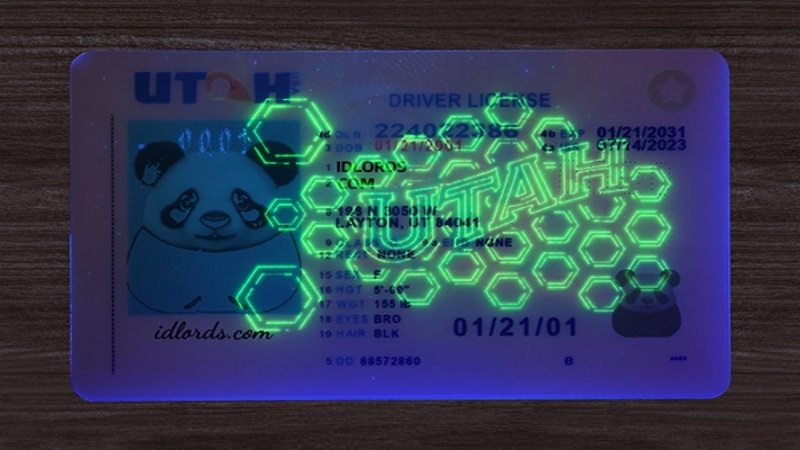
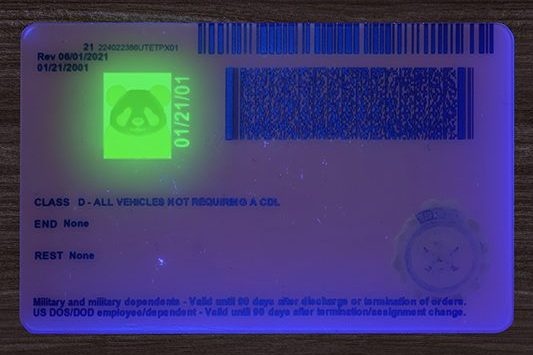
Many official licenses contain invisible graphics that only appear under ultraviolet light.
These UV elements may include:
- State logos
- Hidden patterns
- Symbols
- Security text
- Background artwork
Since ordinary printers cannot reproduce UV-reactive ink, this feature provides an extra level of protection.
Microprinting
Microprinting consists of extremely small text printed around borders, portraits, or background designs.
To the naked eye, the text often appears as a simple line. Under magnification, however, the tiny words become readable.
Counterfeit documents frequently replace microprinting with blurry lines because standard printers cannot reproduce such fine detail.
Laser Engraving:
- Resistant to scratching
- Cannot easily be altered
- Long-lasting
- Highly secure
Ghost Images
A ghost image is a smaller duplicate of the license holder’s primary photograph.
This secondary image is embedded into the card and is extremely difficult to modify without damaging the document.
Inspectors compare both photographs to verify authenticity.
Optical Variable Ink (OVI)
Some licenses use special ink that changes color when viewed from different angles.
For example, text may appear:
- Green
- Blue
- Purple
- Gold
Ordinary printing equipment cannot duplicate this effect accurately.
Raised or Tactile Printing
Many official licenses include raised lettering or textured elements that can be felt by touch.
This tactile printing helps inspectors quickly identify genuine documents without specialized equipment.
Fine Line Background Patterns
Authentic licenses contain complex geometric background designs called guilloche patterns.
These intricate lines are generated using specialized software and printing equipment.
Counterfeit versions often appear:
- Pixelated
- Broken
- Uneven
- Blurry
QR Codes and Barcodes

Modern driver’s licenses frequently include machine-readable codes.
These may contain:
- License number
- Issue date
- Expiration date
- Personal identification information
- Verification data
Authorized systems can scan these codes to verify information quickly.
RFID and Digital Security Chips
Some jurisdictions have introduced RFID technology or embedded security chips.
These allow electronic verification while incorporating encryption that helps prevent cloning or unauthorized access.
How to Inspect a Driver’s License
Professionals often follow a simple inspection process.
Check the Photo
Ensure the photograph matches the individual presenting the license.
Look for:
- Proper alignment
- Sharp edges
- No signs of replacement
Examine the Holograms
Tilt the card under light.
Authentic holograms should:
- Change appearance
- Display multiple colors
- Show clear images
Verify Printing Quality
Official licenses use high-resolution printing.
Watch for:
- Blurry text
- Uneven fonts
- Smudged ink
- Misaligned graphics
Feel the Card
Most legitimate licenses have a durable polycarbonate construction.
Counterfeit cards often feel:
- Too flexible
- Too thin
- Poorly laminated
Inspect the Edges
Professional licenses have smooth, sealed edges.
Warning signs include:
- Peeling
- Delamination
- Air bubbles
- Rough cuts
Use UV Light
A handheld UV flashlight can reveal hidden security elements within seconds.
Missing UV features may indicate a counterfeit document.
Common Signs of a Fake Driver’s License
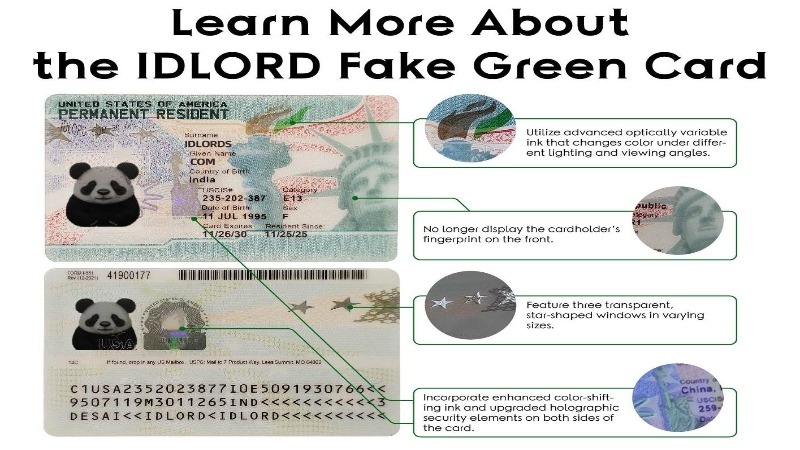
Fake licenses often share similar flaws.
Watch for:
- Missing holograms
- Incorrect fonts
- Poor photo quality
- Color inconsistencies
- Misspelled words
- Uneven spacing
- Incorrect state logos
- Missing security patterns
- Blurry microprinting
- Poor barcode alignment
A single issue does not always prove a document is fake, but multiple irregularities should prompt additional verification.
Technology Used in Driver’s License Manufacturing
Governments continue investing in advanced identity protection technologies.
These include:
- Polycarbonate card construction
- Laser engraving
- UV-reactive inks
- Optical variable devices
- Embedded security threads
- Secure laminates
- Machine-readable zones
- Encrypted digital verification
These technologies make genuine licenses extremely difficult to duplicate accurately.
Tips for Businesses That Verify Driver’s Licenses
Organizations that regularly inspect identification documents should establish clear verification procedures.
Recommended practices include:
- Train employees to recognize security features.
- Use UV inspection lights.
- Verify photographs carefully.
- Inspect holograms from multiple angles.
- Scan machine-readable barcodes when possible.
- Compare information across multiple identity documents.
- Report suspicious documents according to company policy.
Consistent verification procedures help reduce fraud and improve overall security.
The Future of Driver’s License Security
As counterfeit methods evolve, governments continue enhancing license security.
Emerging innovations include:
- Mobile driver’s licenses (mDLs)
- Digital identity wallets
- Biometric verification
- NFC-enabled credentials
- AI-assisted document authentication
- Enhanced encryption standards
These developments aim to provide stronger protection while making identity verification faster and more convenient.
FAQs
What is the most important security feature on a driver’s license?
There is no single feature that guarantees authenticity. Modern licenses rely on multiple layers of security, including holograms, UV printing, microprinting, laser engraving, and secure barcodes.
Can fake licenses include holograms?
Some counterfeit licenses attempt to imitate holograms, but they usually lack the clarity, depth, and color-shifting effects found on genuine documents.
What does UV light reveal on a driver’s license?
Ultraviolet light can expose hidden security graphics, symbols, and patterns that are invisible under normal lighting conditions.
Why is microprinting used?
Microprinting is extremely difficult to reproduce with consumer printing equipment, making it an effective anti-counterfeiting feature.
Are digital driver’s licenses replacing physical cards?
Many regions are introducing digital driver’s licenses, but physical cards remain widely accepted and continue to incorporate advanced security technologies.
Conclusion
Driver’s licenses have become sophisticated identity documents designed to resist tampering, forgery, and unauthorized duplication. Features such as holograms, UV printing, microtext, laser engraving, ghost images, and machine-readable codes work together to provide multiple layers of protection.
Understanding these security features helps businesses, employers, and individuals identify authentic licenses and recognize potential warning signs of counterfeit documents. As technology advances, future driver’s licenses will continue incorporating stronger digital protections and more secure verification methods, making identity fraud increasingly difficult.
Staying informed about the latest driving license security features is one of the best ways to improve document verification and reduce the risk of identity-related fraud.
