


Understand Scannable IDs and Verification Technology
Scannable IDs are modern identification documents equipped with machine-readable technology such as barcodes, magnetic stripes, and embedded security features. These technologies allow businesses, institutions, and verification systems to quickly authenticate identification information.
From age verification systems to access control and identity authentication, scannable ID technology plays a vital role in security and compliance.
Learn how scannable IDs work, what information they contain, and how scanning systems verify authenticity.
What Are Scannable IDs?
Scannable IDs are identification documents designed with digital encoding features that allow scanners and verification systems to extract stored information instantly.
Common examples include:
- Driver licenses
- State-issued ID cards
- Employee access badges
- Student identification cards
- Digital identity cards
These IDs contain machine-readable elements that improve verification speed and accuracy.
How Scannable ID Technology Works
PDF417 Barcodes

A two-dimensional barcode commonly found on driver’s licenses that stores encoded identity information.
Magnetic Stripes
Used to store data that specialized scanning devices can read.
QR Code Verification
Information Stored in Scannable IDs
Depending on the issuing authority, scannable IDs may contain:
- Full legal name
- Date of birth
- Address
- License or ID number
- Issue and expiration dates
- Issuing jurisdiction
- Verification security codes
This information is encrypted or structured according to regulated standards.
Scannable identification systems provide several benefits:
Faster Verification
Instant scanning reduces manual checks.
Better Accuracy
Automated systems reduce human error.
Improved Security
Built-in authentication features help detect inconsistencies.
Compliance Support
Helps businesses meet verification requirements.
Security Features of Modern Scannable IDs
Modern IDs include multiple security layers.
Holographic overlays
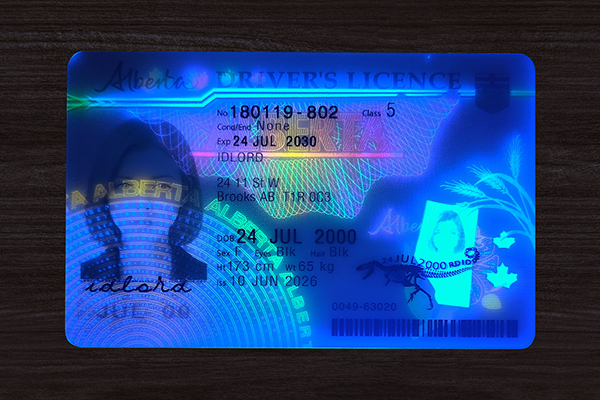
Visual anti-counterfeit protection
UV reactive elements
Invisible markers visible under ultraviolet light
Microprinting
Tiny text difficult to reproduce
Encrypted barcode structures
Prevents unauthorized duplication
Common Uses for Scannable IDs
Scannable IDs are widely used for:
Age verification
Secure building access
Identity confirmation
Retail compliance
Transportation security
Event access control
How Verification Systems Authenticate Scannable IDs
Verification systems evaluate:
- Data formatting
- Barcode integrity
- Security pattern consistency
- Issuer standards compliance
- Expiration validity
Advanced systems compare extracted data against regulatory standards.
Choosing Reliable ID Verification Technology
When selecting verification tools, consider:
- Scan speed
- Compatibility with ID standards
- Security detection features
- Regulatory compliance
- Ease of integration
Reliable systems improve operational efficiency and reduce verification risks.
FAQs
What makes an ID scannable?
Machine-readable features such as barcodes, magnetic stripes, or RFID chips.
Are all IDs scannable?
No. Only IDs designed with digital encoding technology.
What barcode is used on most driver’s licenses?
PDF417 barcode format.
Can scanners detect invalid IDs?
Advanced systems can identify formatting inconsistencies and verification issues.
Learn More About Scannable IDs Verification
Understanding scannable ID technology helps businesses improve identity verification, enhance security, and maintain compliance standards.
Modern verification systems continue to evolve as identification security advances.
Explore Scannable IDs Verification Technology
Learn more about barcode authentication, verification standards, and secure identity scanning solutions.
