
Introduction
The world is rapidly moving toward digital transformation, and identification systems are no exception. Smart ID cards are evolving from simple plastic cards into advanced, technology-driven identity solutions. These cards are embedded with chips, biometrics, and wireless capabilities, making them more secure, efficient, and versatile.
The future of smart ID cards is driven by innovations such as artificial intelligence, blockchain, biometrics, and mobile integration. Governments, corporations, and institutions are adopting these advanced ID systems to enhance security and streamline operations.
In this article, we will explore the future trends and innovations shaping smart ID cards and how they will impact industries worldwide.
What Are Smart ID Cards?
Smart ID cards are physical identification cards embedded with integrated circuits or microchips. These chips store data securely and can communicate with external devices.
Key Features:
- Embedded microchips
- Contactless NFC technology
- Biometric authentication
- Secure data storage
- Multi-purpose functionality
Key Trends in Smart ID Cards
1. Biometric Integration
4
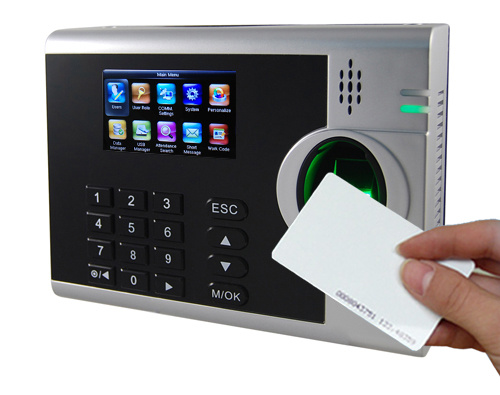
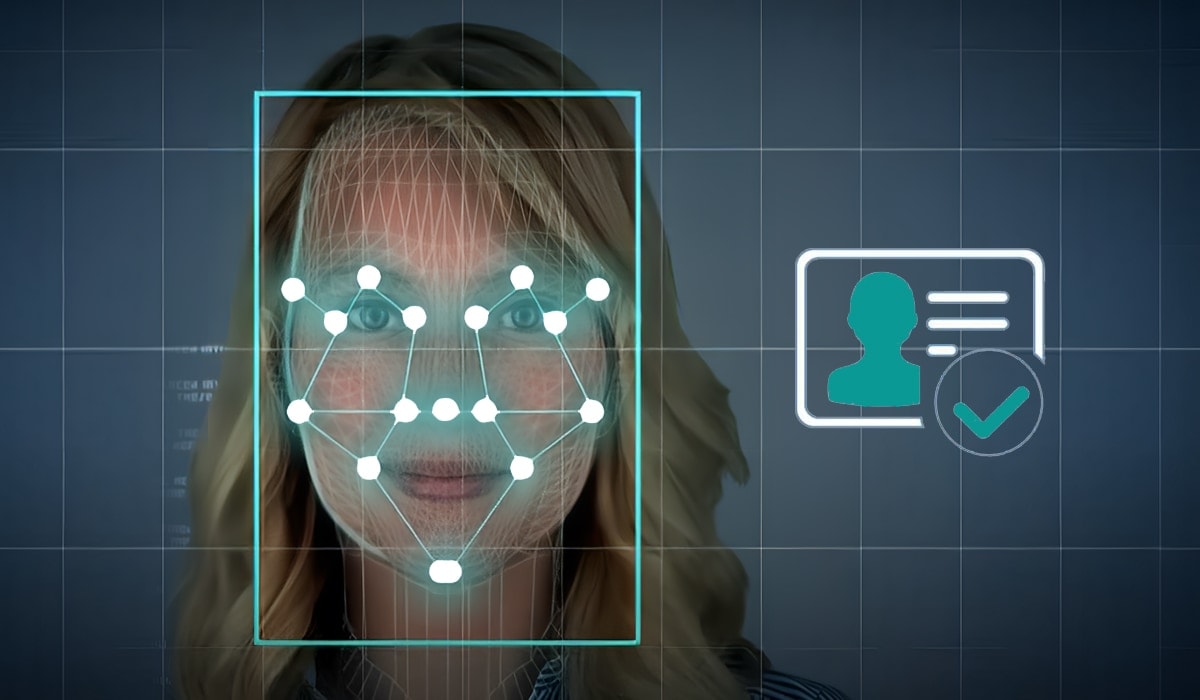
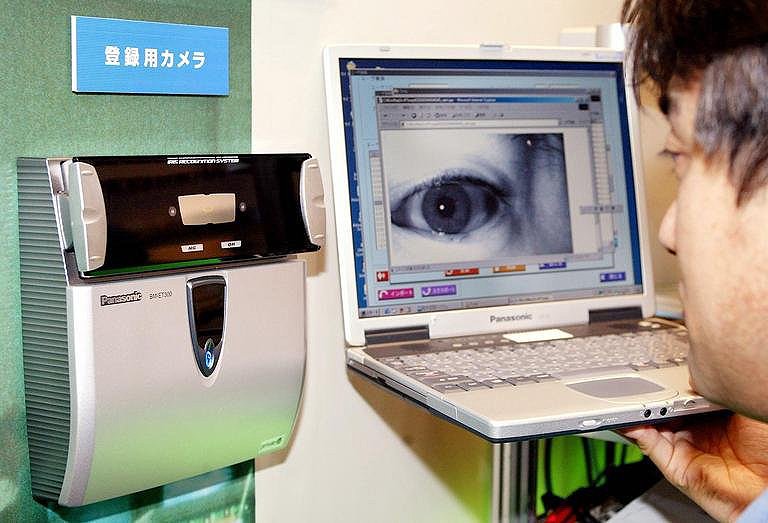
Biometric technology is becoming a core feature in smart ID cards. Instead of relying solely on PINs or passwords, these cards use unique biological traits such as:
- Fingerprints
- Facial recognition
- Iris scans
Benefits:
- Enhanced security
- Reduced fraud
- Faster authentication
2. Contactless & NFC Technology
Near Field Communication (NFC) allows users to tap their cards for quick access. This technology is widely used in:
- Office access systems
- Public transportation
- Payment systems
Future Outlook:
Smart ID cards will become universal access tools, combining identification, payments, and access control in one.
3. Mobile ID Integration
Smartphones are becoming digital wallets for identity. Mobile ID solutions allow users to store their ID cards digitally.
Advantages:
- No need to carry physical cards
- Instant verification
- Remote authentication
Emerging Trend:
Governments are developing digital identity apps that replace traditional ID cards.
4. Blockchain-Based Identity
Blockchain technology ensures that identity data is decentralized and tamper-proof.
Why It Matters:
- Prevents identity theft
- Enhances data privacy
- Gives users control over their identity
Use Cases:
- National ID systems
- Digital passports
- Secure voting systems
5. Multi-Function Smart Cards
Future ID cards will serve multiple purposes beyond identification.
Functions Include:
- Payment gateway
- Access control
- Health records
- Driver’s license
This reduces the need for carrying multiple cards.
6. AI-Powered Security
Artificial Intelligence is being integrated into ID systems for smarter verification.
Applications:
- Fraud detection
- Behavior analysis
- Real-time authentication
AI enhances both security and efficiency.
7. Eco-Friendly Smart Cards
Sustainability is becoming a priority. Manufacturers are now producing:
- Biodegradable cards
- Recycled plastic cards
- Digital-only IDs
This reduces environmental impact significantly.
Innovations Shaping the Future
1. Smart Cards with Dynamic Displays
Cards may soon feature small screens displaying dynamic information such as QR codes or temporary credentials.
2. Wearable Identity Devices
Smart ID technology is expanding into wearables like:
- Smartwatches
- Wristbands
3. Cloud-Based Identity Systems
Cloud integration allows instant updates and remote verification.
Industries Benefiting from Smart ID Cards
1. Government
- National ID systems
- E-passports
2. Healthcare
- Patient identification
- Medical records access
3. Corporate Sector
- Employee ID cards
- Access control systems
4. Education
- Student ID cards
- Attendance tracking
Challenges to Overcome
Despite the advancements, there are challenges:
- Data privacy concerns
- High implementation costs
- Infrastructure requirements
- Cybersecurity risks
Addressing these issues will be crucial for widespread adoption.
Future Outlook
The future of smart ID cards is promising. With continuous innovation, these cards will become:
- More secure
- More convenient
- Fully integrated with digital ecosystems
Eventually, physical cards may be replaced entirely by digital identities stored on mobile devices.
FAQs
1. What is a smart ID card?
A smart ID card is a card with an embedded chip that stores and processes data securely.
2. Are smart ID cards secure?
Yes, they use encryption, biometrics, and advanced technologies to ensure high security.
3. Can smart ID cards replace physical IDs?
Yes, mobile ID integration is already replacing physical cards in many regions.
4. What industries use smart ID cards?
Government, healthcare, education, and corporate sectors widely use them.
5. What is the future of smart ID cards?
They will evolve into digital, biometric, and multi-functional identity systems.
Conclusion
Smart ID cards are no longer just identification tools—they are becoming powerful digital identity solutions. With advancements in biometrics, AI, blockchain, and mobile integration, the future of smart ID cards is transforming how we verify identity and access services.
As technology continues to evolve, businesses and governments must adapt to these innovations to stay secure and efficient. The shift toward digital identity is inevitable, and smart ID cards are leading the way.
