

Novelty ID cards can add a fun and realistic touch to many creative projects. They can work well as movie props, theater accessories, costume pieces, event items, or themed collectibles. Some designs can also represent ideas such as residence, health, school, or fictional organizations.
However, a novelty ID card is different from an official identification document. A novelty card should not claim to be a real government-issued ID or serve as proof of identity, age, residency, or health status.
If you want a creative card for a project, choosing the right design can make your idea look much more complete. This guide explains the best uses for novelty ID cards and what to consider before choosing one.
What Is a Novelty ID Card?
A novelty ID card is a decorative or fictional identification-style card made for entertainment or creative purposes.
It may include details such as:
- A fictional name
- A character photo
- A fictional organization
- A made-up identification number
- A themed title
- Creative graphics
- A clear novelty disclaimer
These cards can look similar to ordinary ID cards, but they should remain clearly separate from official documents.
For example, a filmmaker might create an ID card for a fictional character. A theater group could use one as part of a costume. A collector might keep a themed card as a fun display item.
Best Novelty ID Cards for Props
Props can help audiences understand a character or setting. A novelty ID card can be a small detail that makes a costume, scene, or display feel more complete.
1. Movie and Film Props
Film productions often need fictional documents for scenes. A character might work for a fictional company, live in an imaginary city, or belong to a made-up organization.
A novelty ID card can help support that story without using a real person’s identification details.
2. Theater Props
Stage performances can also benefit from small visual details. Actors may carry fictional cards as part of their costumes.
A good theater prop should be easy to recognize and fit the story. It can use fictional names, organizations, and numbers.
3. Cosplay Props
Cosplayers often create detailed outfits based on fictional characters. A themed ID card can complement the costume.
For example, a science-fiction character could have a futuristic identification card. A fictional detective could carry an agency-themed card.
The design should stay clearly fictional and should not imitate an actual government credential for real-world use.
Novelty Residence ID Cards
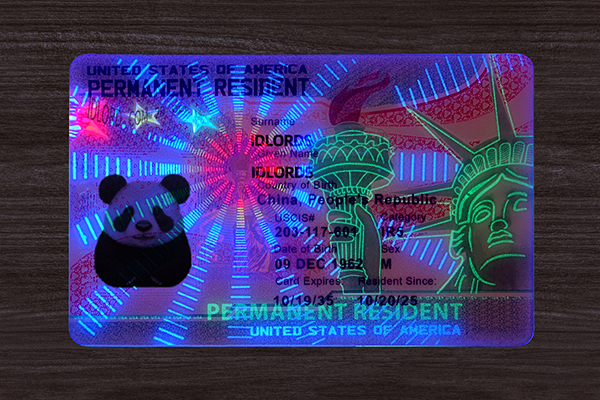
Residence-themed novelty cards can represent where a fictional character lives. They can work especially well for movies, games, theater, creative photography, and themed events.
A residence-themed card might include:
- A fictional apartment name
- An imaginary building
- A fictional city
- A character’s name
- A made-up resident number
- Creative artwork
These details can make a fictional world easier to understand.
Why Use Fictional Residence Details?
Using fictional information protects real people’s information and keeps the card focused on entertainment.
For example, instead of copying a real residential address, you can create an imaginary location such as a fictional street and building. This approach gives the card a realistic story while keeping it clearly fictional.
Novelty Health ID Cards

Health-themed novelty cards can also support creative projects. They may appear in fictional hospitals, medical dramas, Halloween costumes, educational displays, or character designs.
A health-themed prop could represent:
- A fictional clinic
- An imaginary hospital
- A made-up patient character
- A fictional health program
- A science-fiction medical system
Keep Health Information Fictional
Health information is sensitive. For that reason, avoid using real people’s medical information on a novelty card.
Do not use a real patient’s name, medical record number, diagnosis, insurance information, or other private details.
For a creative project, fictional information is the safer choice.
What Makes a Good Novelty ID Card?
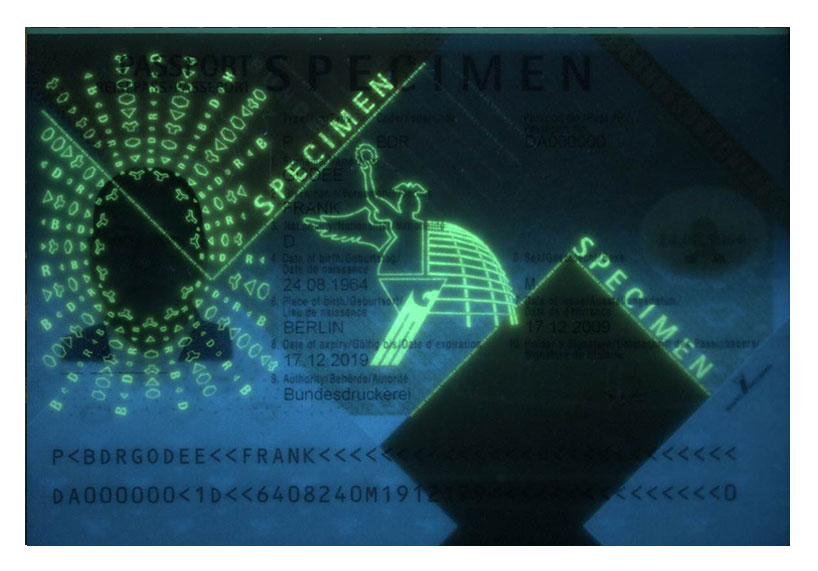
The best novelty ID cards balance creativity, clarity, and responsible design.
Clear Fictional Purpose
The card should have a clear entertainment, costume, prop, or collectible purpose.
High-Quality Design
A clean design can make a card look better in photographs and displays. Good spacing, readable text, and suitable graphics can improve the overall appearance.
Fictional Information
Use invented names, numbers, organizations, and locations whenever possible.
Visible Novelty Marking
A clear label such as “NOVELTY,” “PROP,” or “FOR ENTERTAINMENT ONLY” can help distinguish the card from official identification.
Appropriate Artwork
Colors, icons, logos, and other graphics should match the theme without copying protected official credentials.
Novelty ID Cards vs. Official IDs
Understanding the difference is important.
| Novelty ID Card | Official ID |
|---|---|
| Made for entertainment or creative use | Issued by an authorized government or organization |
| Uses fictional information | Contains verified personal information |
| May be used as a prop or collectible | Used for official identification |
| Should clearly indicate its fictional purpose | Has official security and verification features |
| Not valid for proving identity | Can serve as legal identification |
A novelty ID should never be presented as a genuine government ID or used to misrepresent someone’s identity.
How to Choose the Right Novelty ID
Start by thinking about your project.
Step 1: Choose the Theme
Decide whether you need a movie prop, cosplay accessory, residence-themed card, health-themed prop, or another creative design.
Step 2: Create Fictional Details
Choose fictional names, organizations, locations, and numbers. This makes the project safer and easier to customize.
Step 3: Match the Design
Choose graphics and layouts that fit the character or story. A futuristic design may work for science fiction, while a simple design may suit a modern fictional organization.
Step 4: Add a Novelty Notice
A visible novelty statement can make the card’s purpose clear.
Step 5: Check Local Rules
Rules can differ depending on where you live and how you use the card. If you plan to display or carry a novelty ID in public, make sure its design and use do not create confusion with an official credential.
Creative Ideas for Novelty ID Cards
There are many ways to use novelty cards responsibly.
You could create a card for a fictional:
- Movie character
- Theater character
- Cosplay character
- Space explorer
- Fantasy kingdom resident
- Fictional hospital
- Game character
- Secret-agent character
- Imaginary company employee
- Themed event guest
The key is to keep the project fictional and avoid using it to deceive another person or organization.
Why Novelty IDs Are Popular for Creative Projects
Small details can make a creative project feel more believable. A character ID can tell viewers who the character is. A fictional residence card can explain where the character lives. A health-themed card can support the setting of a fictional medical story.
Because of this, novelty ID cards can be useful accessories for creators who want to build a complete fictional world.
Safety and Responsible Use
Novelty ID cards should remain novelty items.
Never use one to:
- Pretend to be another person
- Enter a restricted location
- Prove your real age
- Prove real residency
- Obtain services
- Mislead law enforcement
- Access medical services
- Claim official credentials
If a card could reasonably confuse someone into believing it is an official document, redesign it to make its fictional purpose clearer.
Final Thoughts
The best novelty ID cards for props, residence themes, and health-themed projects are creative, clearly fictional, and designed for responsible use. They can add an extra layer of detail to movies, theater productions, cosplay outfits, photography, events, and fictional worlds.
When choosing a novelty ID card, focus on the theme, fictional details, visual quality, and clear novelty labeling. Avoid real personal information and never treat a novelty card as an official identification document.
For more ideas and information about creative novelty ID cards, explore the Novelty ID Cards page on IDLord.
